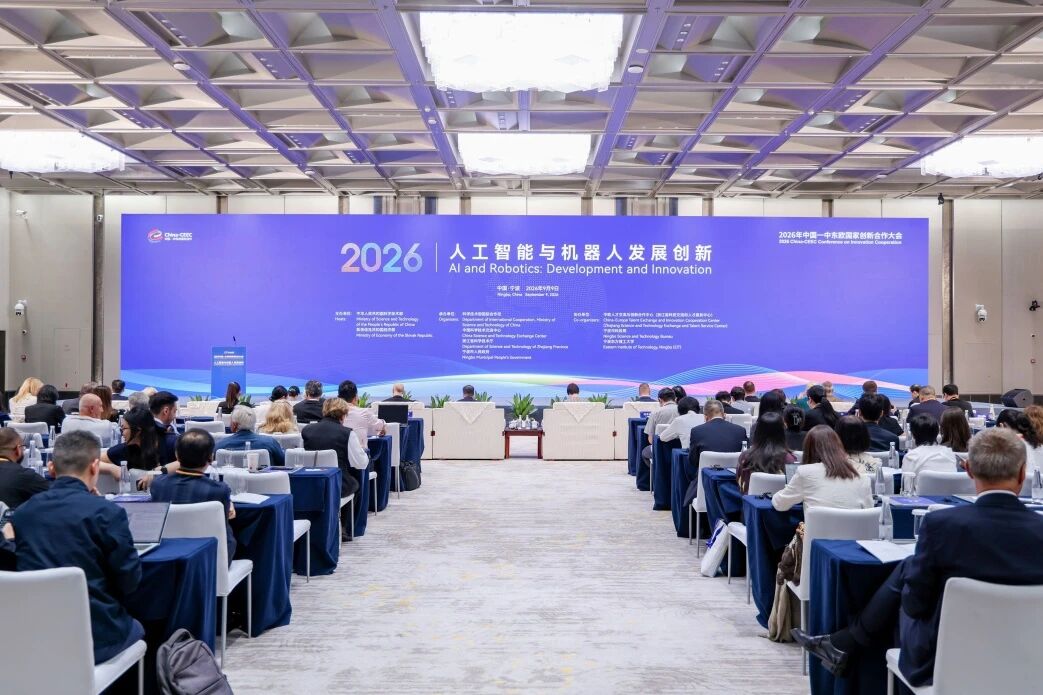
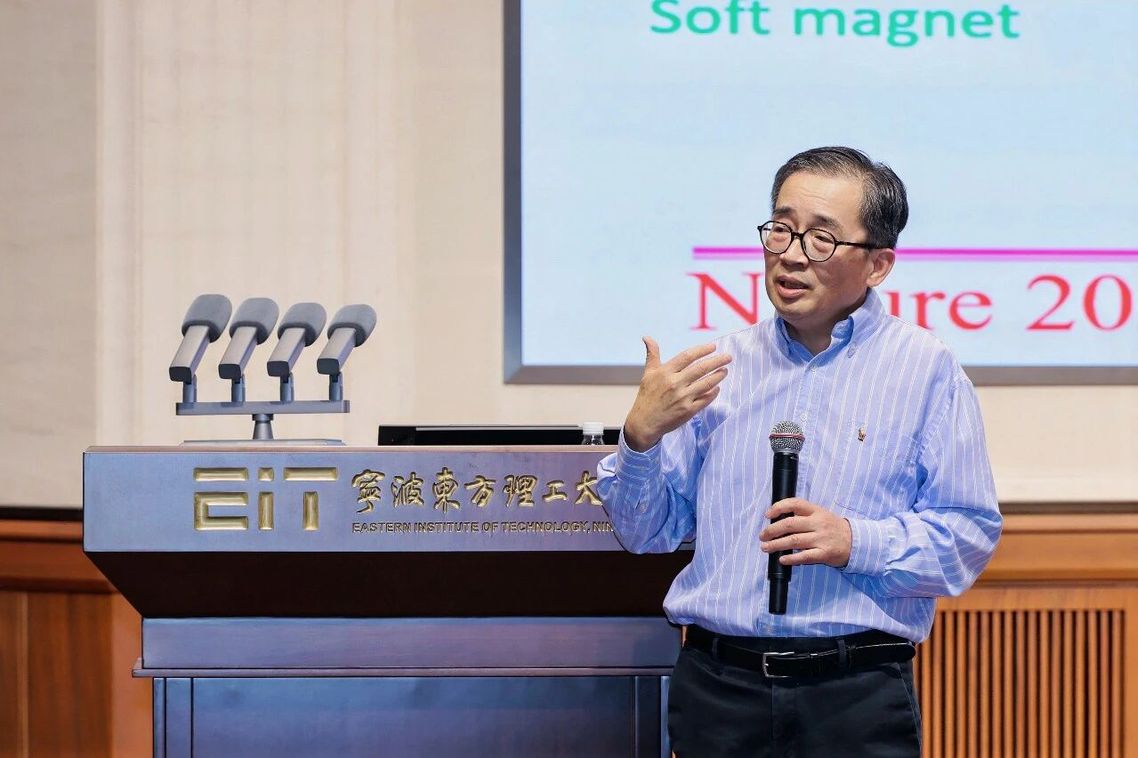
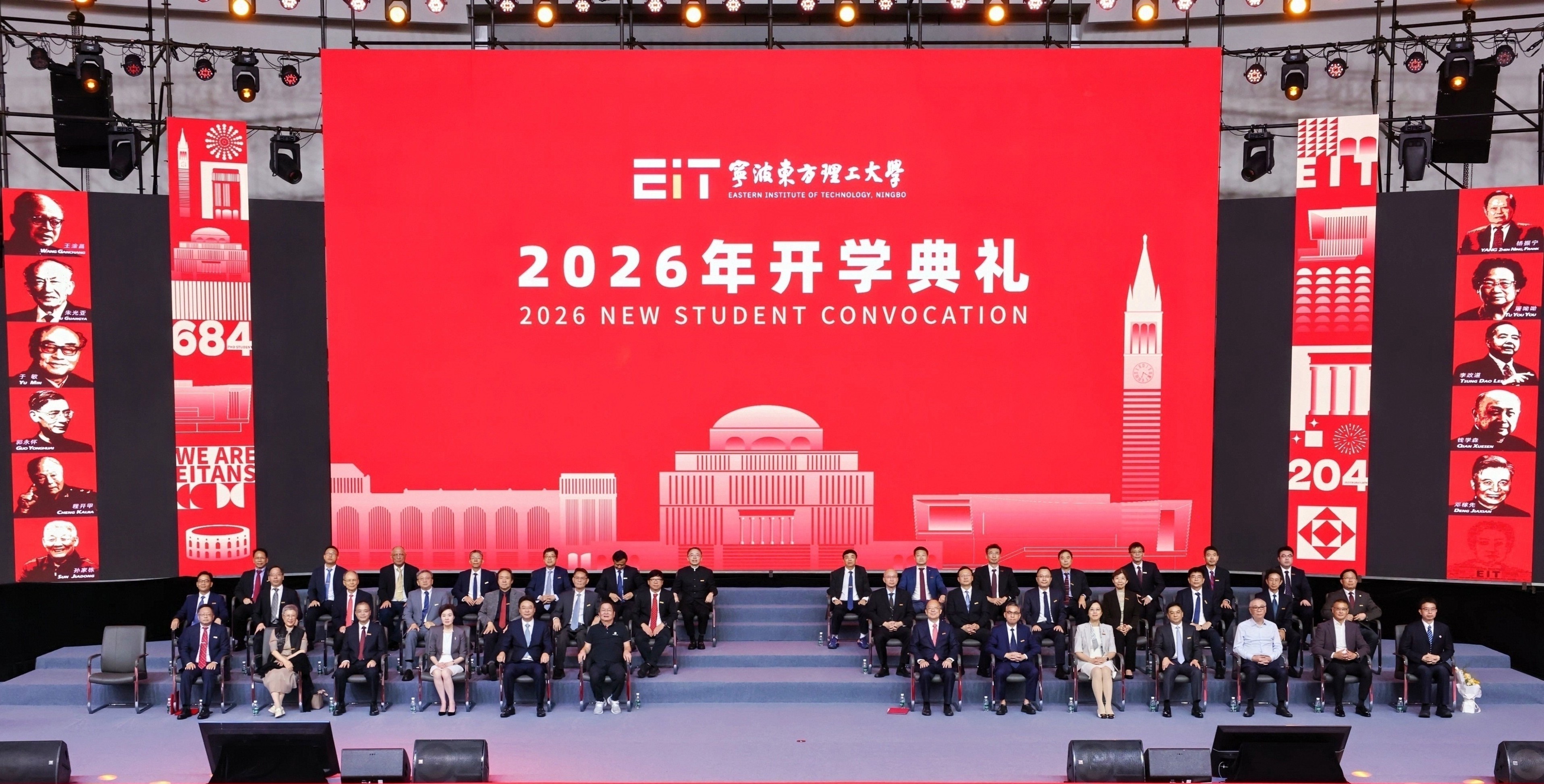
On August 30, the Eastern Institute of Technology, Ningbo (EIT) brought together leading educators from across the country for a major forum. "The Presidents' Forum on Cultivating Top-Tier Innovative Talents in an Era of Open Knowledge" co-hosted by the Future Education Center at Peking University and EIT, brought together more than 80 university and high school administrators and education experts from 10 universities across the nation and nearly 40 high schools from within and outside the province.
University and high school leaders were seated in mixed groups, breaking down the boundaries between educational stages and bringing university and high school perspectives to the same table.
The forum focused not only on refreshing ideas but also on putting them into practice, seeking to build a bridge between universities and high schools and to jointly address a fundamental question facing all educators: In an age of readily accessible knowledge and AI-driven transformation, what kind of talent should we cultivate, and how?
The Fundamental Question of Education in an Era of Open Knowledge
"This is an era in which the ways knowledge is acquired and disseminated are undergoing unprecedented change," said Professor Shiyi Chen, President of EIT and Member of the Chinese Academy of Sciences, in his opening remarks. "How should an education model born in the industrial age respond to technological change and the needs of the times? This is a question that universities and high schools must answer."
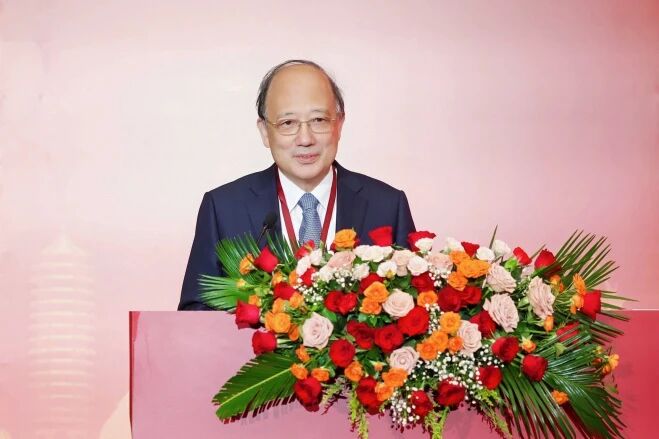
President Shiyi Chen
As a new research university that was included in Zhejiang Province's college comprehensive evaluation admission program just one year after its establishment was officially approved, EIT is itself a response to the demands of the times. In exploring a "1+3" integrated training model, giving first-year students access to laboratories, and arranging paid internships for all students, EIT has come to understand that talent cultivation must move beyond score-based selection toward identifying students' curiosity, willingness to take on challenges, and innovative potential.
"We hope to build a close bridge between high schools and universities, and together answer the fundamental question of education," President Shiyi Chen said.
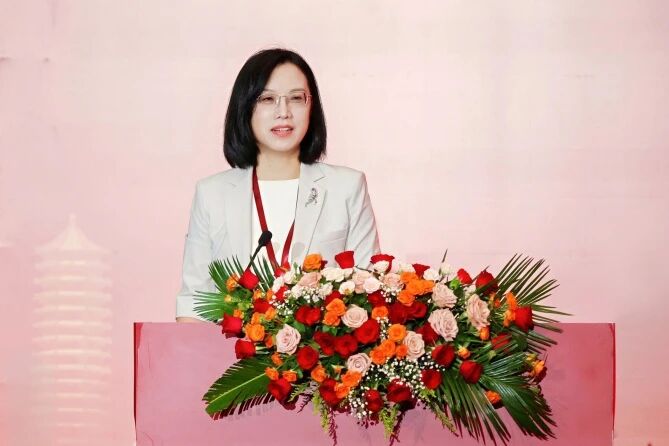
Dr. Xiaodong Li
A city's vitality nourishes the universities rooted there. Dr. Xiaodong Li, Party Secretary and Director of the Ningbo Education Bureau, said in her address that Ningbo is known as a hometown of academicians and is also a major manufacturing hub, now in a critical period of industrial transformation and urban development. Cultivating top-tier innovative talent is a systemic undertaking spanning elementary, secondary, and higher education, and it cannot be accomplished by any single city or school alone. She expressed hope that the forum would pool insights from across the country, break down barriers between educational stages, and explore new talent cultivation models aligned with national strategies and local industries.
The forum was hosted by Professor Dongxiao Zhang, Executive Vice President and Provost of EIT and Member of the U.S National Academy of Engineering
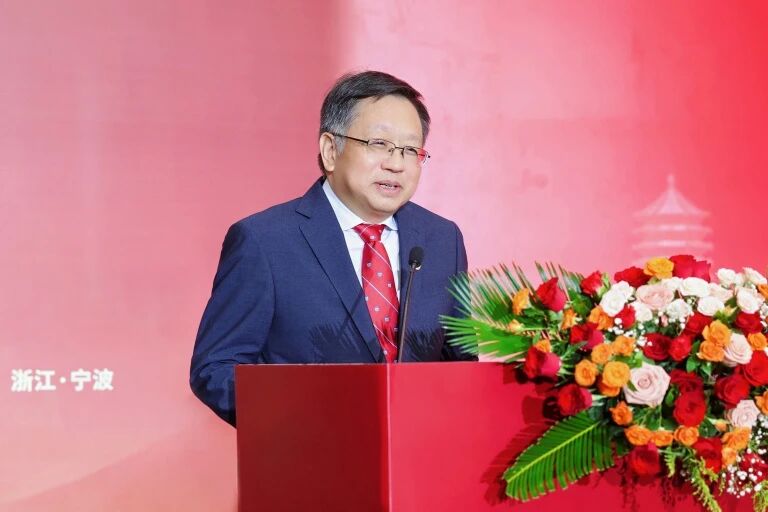
Professor Dongxiao Zhang
Reshaping the Foundation of Education in the AI Era
In the keynote session, six experts and scholars from higher education and basic education examined core issues in cultivating top-tier innovative talent, ranging from the intrinsic attributes of education and how to confront the uncertainties of the AI era to pathways for collaboration between universities and secondary schools.
What exactly is the essence of education amid the AI era? Professor Jianhua Lin, Director of Future Education Center at Peking University and former President of Peking University, delivered a keynote titled "The Intrinsic Attributes of Education," taking the discussion to a deeper philosophical level.
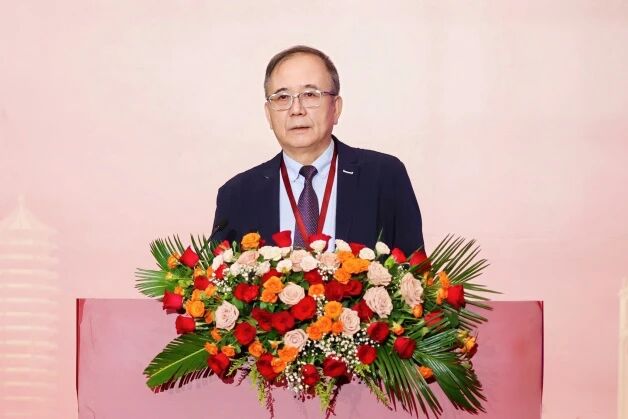
Jianhua Lin
He pointed out that to solve the difficult problem of cultivating top-tier innovative talent, we must begin with the most fundamental questions and re-examine the intrinsic attributes of education.
In an era of open knowledge, he urged, education must open the boundaries of disciplines, learning, and schools, because "learning is transformation, not accumulation; only when knowledge changes the way you see the world does it truly become yours."
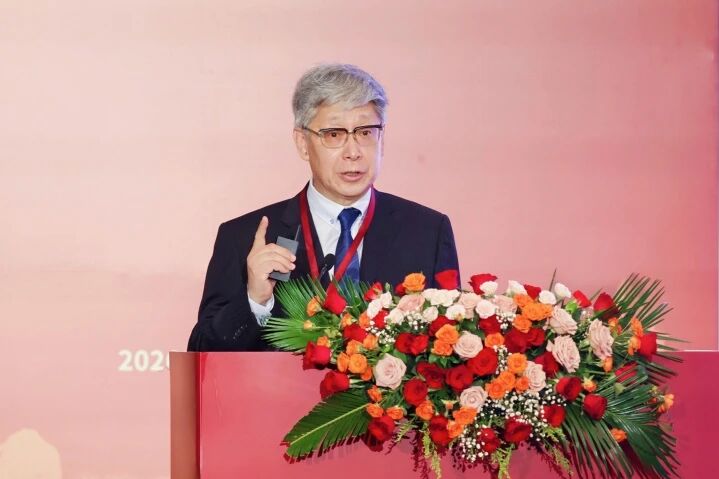
Houqing Yin
Mr. Houqing Yin, Vice President of the Chinese Society of Education, turned his attention to reform in basic education. He stressed that the essence of high school education is by no means merely the transmission of knowledge, but the cultivation of a complete personality. In the age of intelligence, high schools must proactively embrace change, move away from traditional one-way lectures, and guide students from dependence on smart tools for "copying" toward "deep construction," strengthening their disciplinary foundations while laying the groundwork for lifelong development.
Shijun Tong, Chancellor of NYU Shanghai, delivered a profound philosophical inquiry titled "Cultivating the Virtue of Love of Learning in the Age of AI." He noted that learning concerns not only "what humans do" and "what humans have," but more fundamentally "what humans are."
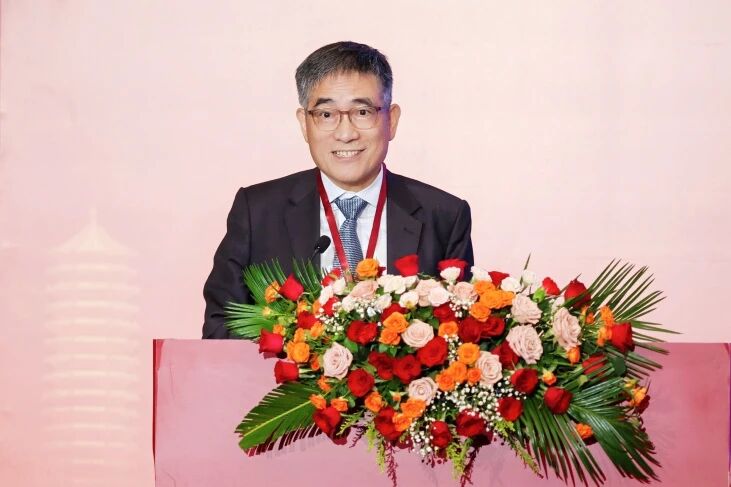
Chancellor Shijun Tong
"At a time when machines are increasingly capable of thinking on our behalf, what we should be most concerned about is whether humanity will ultimately ‘lose what it is.’" Chancellor Shijun Tong proposed that truly outstanding talent must combine "curiosity" with "a sense of responsibility," and take "the virtue of love of learning" as the foundation of one's character.
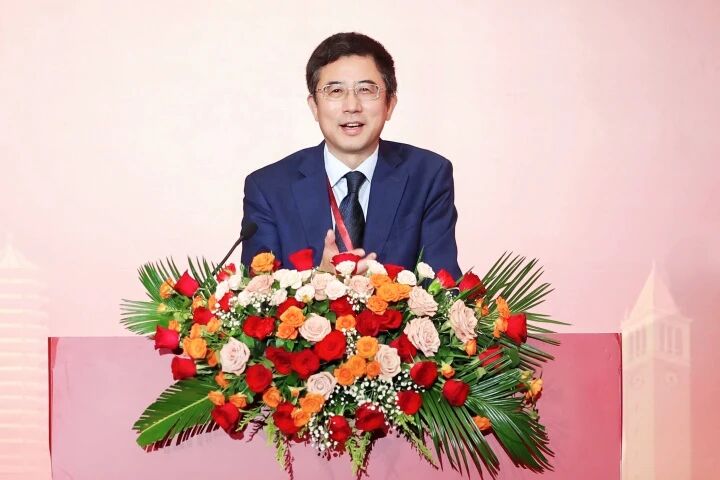
Professor Hongwei Fang
Professor Hongwei Fang, Vice President and Provost of Southern University of Science and Technology (SUSTech), shared hands-on experience in breaking with convention. By pioneering the "631" comprehensive evaluation admission model, implementing a dual-track "residential college + academic college" system, and building a semiconductor industry-education integration base adjacent to leading enterprises, SUSTech is deeply integrating education and industry so that students grow and thrive by addressing the country's real strategic needs.
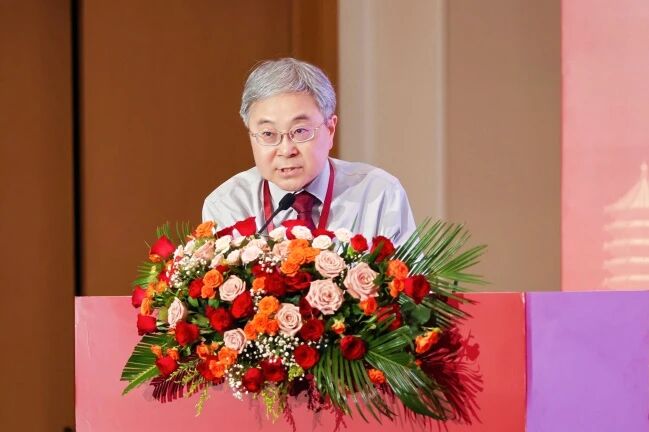
Professor Jie Yin
Professor Jie Yin, Executive Vice President and Provost of ShanghaiTech University, shared the university's systematic planning amid the AI era. Facing the reality that "knowledge acquisition has become extremely easy and simple skills are being replaced," ShanghaiTech is advancing an "AI Innovation Initiative" and offering an AI4S minor program and hands-on large-model training for all undergraduates. He stressed that general education, solid foundations in mathematics and the sciences, and humanistic grounding are indispensable underpinnings for top-tier innovative talent.
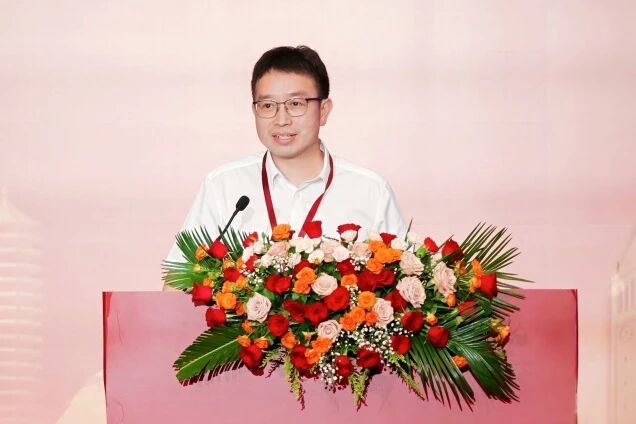
Mr. Rungen Fang
Mr. Rungen Fang, Principal of Xuejun High School, drew on his own classroom experience to offer a compelling account of how high schools can break new ground. In his view, innovative talent is never produced through cherry-picking the best students; it is nurtured in fertile soil. In the AI era, what education must safeguard above all is students' ability to ask questions, their aesthetic sensibility, and their physical and mental well-being.
Roundtable: How to Cultivate Talent and Build a Collaborative Ecosystem in the AI Era
The two subsequent roundtable forums were moderated respectively by Dr. Rong Wang, Executive Director of the Future Education Center at Peking University, and Professor Wei Zhao, Provost of Shenzhen University of Advanced Technology.
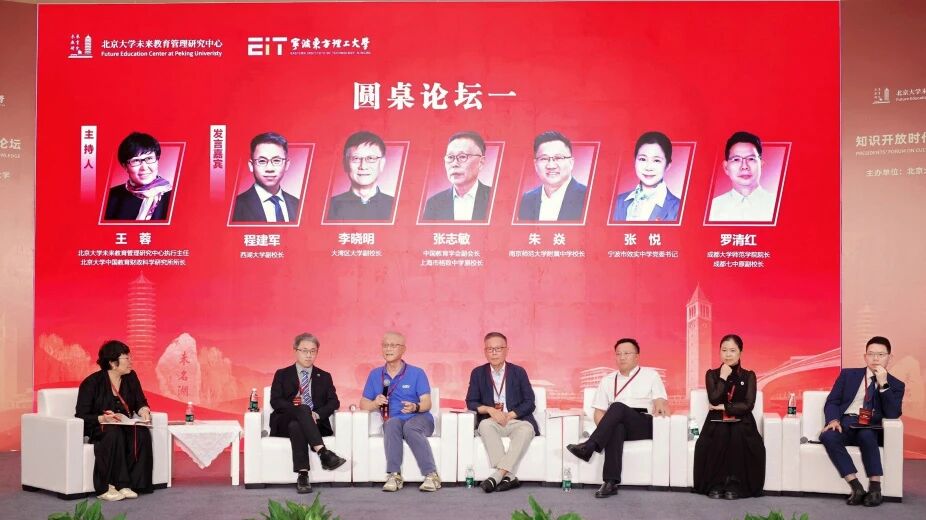
Roundtable Discussion
Mr. Zhimin Zhang, Vice President of the Chinese Society of Education and former Principal of Shanghai Gezhi High School; Professor Jianjun Cheng, Vice President of Westlake University; Professor Fuli Zhang, Executive Vice President of Fuyao University of Science and Technology; Li Xiaoming, Vice President of Great Bay University; Mr. Qinghong Luo, Dean of the College of Teachers Chengdu University and former Vice Principal of Chengdu No. 7 High School; Dr. Shiming He, Party Secretary of Shenzhen Foreign Languages School (Group); Mr. Yan Zhu, Principal of the High School Affiliated to Nanjing Normal University; Mr. Zheng Zhu, Principal of Nanjing Zhonghua High School; Ms. Lei Qin, Vice Principal of The Affiliated High School of Peking University; Dr. Yue Zhang, Party Secretary of Ningbo Xiaoshi High School; and Mr. Huyue Shen, Executive Vice Principal of Zhenhai High School—more than a dozen university and secondary school leaders sat together for an in-depth discussion on ways to cultivate talent and build a collaborative ecosystem in the AI era.
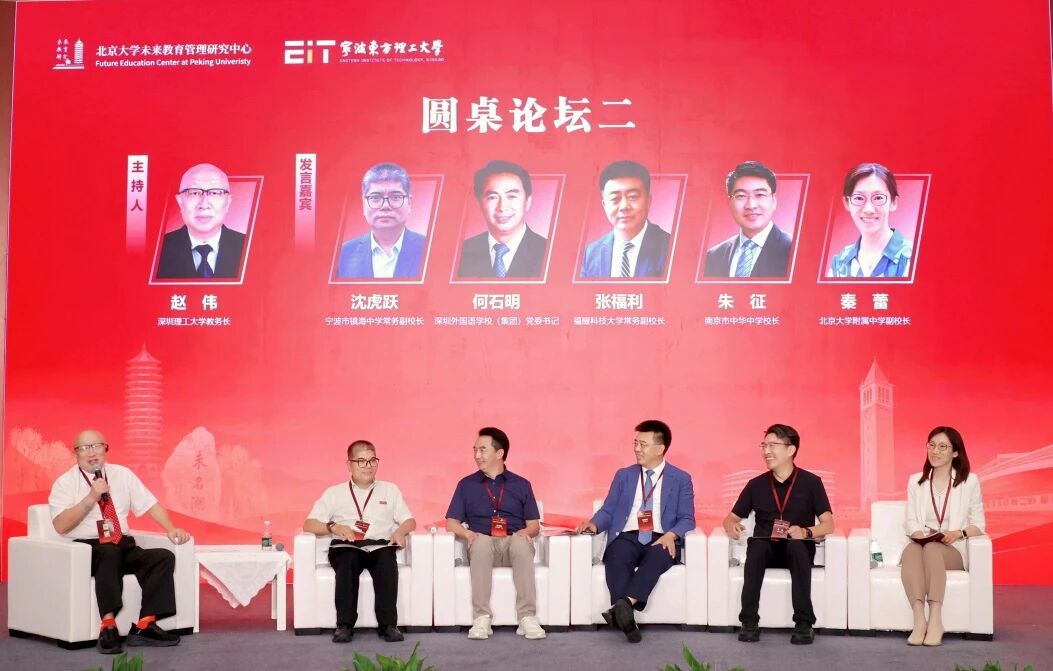
Roundtable Discussion
Participants agreed that amid the AI era, education should both embrace technology and return to its roots, safeguarding the fertile ground in which top-tier innovative talent grows.
The most urgent task in aligning university and secondary school education for collaborative talent cultivation is to recalibrate daily teaching—reducing one-way knowledge transmission and increasing project-based inquiry in authentic contexts, leaving room for students to think and to learn through trial and error. Only by transcending barriers between educational stages and jointly nurturing young people's curiosity and vitality can innovative talent thrive.
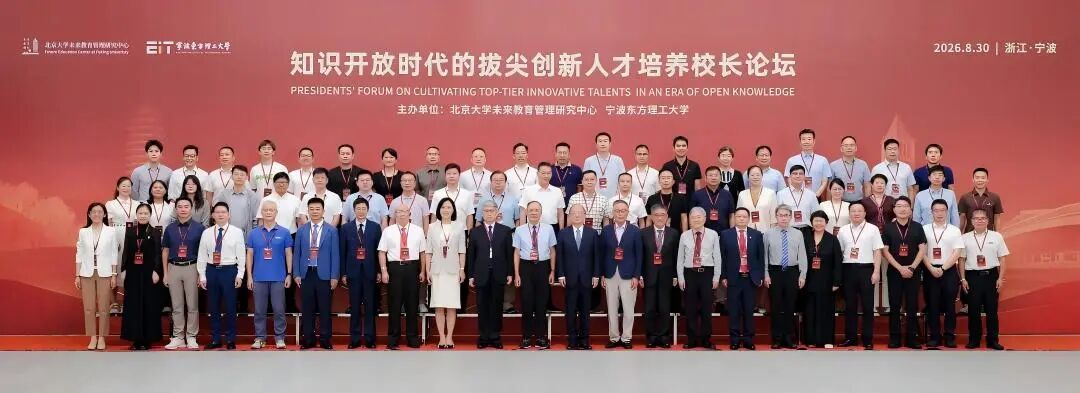
Group Photo
After more than four hours of discussion, one consensus emerged: cultivating top innovative talent is by no means the sole responsibility of universities, nor is it a one-way process driven solely by high schools. Rather, it is a relay race in which both sides run toward each other.
As knowledge becomes increasingly accessible and artificial intelligence pushes us to reassess what we value as human beings, the essence of education remains the same—lighting a fire, not filling a pail.
As a new type of research university, EIT is embracing change and taking pragmatic action as an emerging force in higher education reform. From the banks of the Yong River, this collaborative exploration has just begun; amid the tide of open knowledge, a new paradigm for the homegrown development of top innovative talent is gradually emerging.