From November 6 to 8, the Sustainable Horizons Global Conference 2026 (SH2026) was held at the Eastern Institute of Technology, Ningbo (EIT). Under the theme "Expanding Our Horizons on the Earth's Sustainable Future", the conference brought together more than 300 experts and scholars from seven countries and regions in Ningbo.
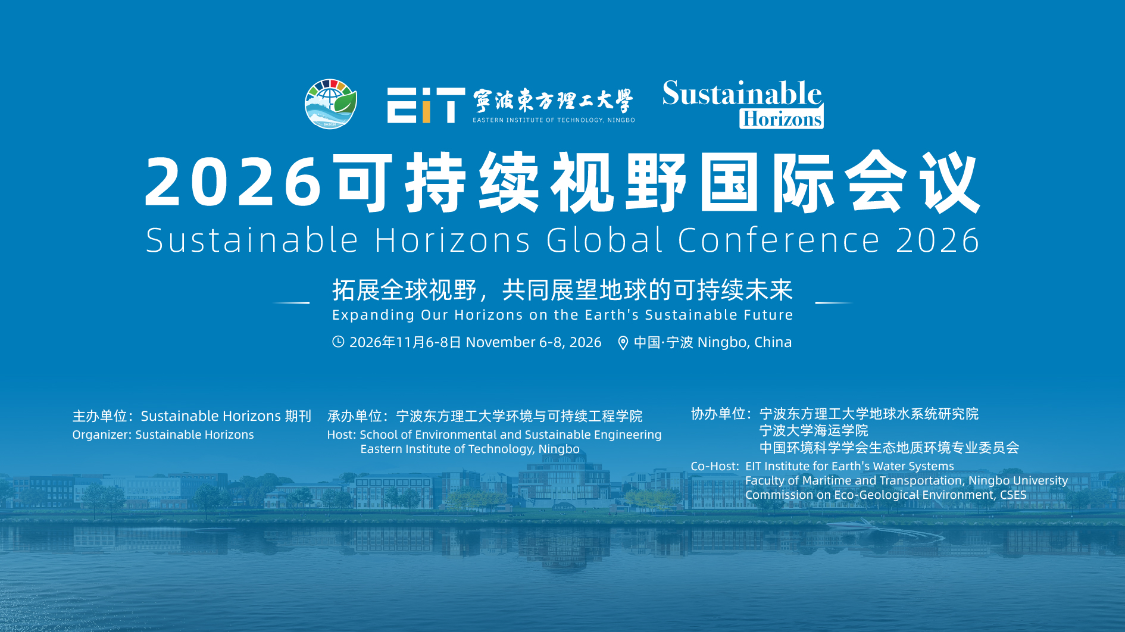
The conference was organized by the journal Sustainable Horizons, with support from EIT, and hosted by the University's School of the Environment and Sustainable Engineering. The EIT Institute for Earth's Water Systems, the Faculty of Maritime and Transportation at Ningbo University, and the Commission on Eco-Geological Environment of the Chinese Society for Environmental Sciences served as co-host.
Participants came from a range of Chinese and international universities, research institutions, and industry organizations. They shared the latest advances in fundamental research, technological innovation, risk governance, and policy practice in the face of major global challenges — climate change, ecosystem degradation, environmental pollution, and the transition in resources and energy — and explored interdisciplinary solutions in pursuit of the United Nations Sustainable Development Goals (SDGs). Prof. Shiyi Chen, President of EIT, Member of the Chinese Academy of Sciences, attended the conference.
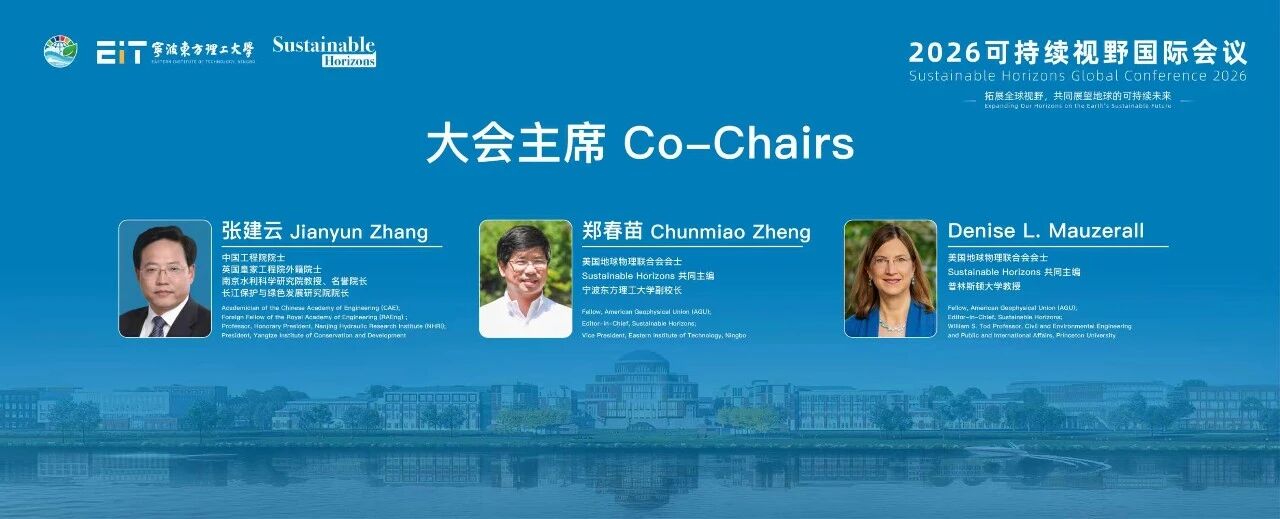
Conference co-chairs
On the morning of November 7, the opening ceremony took place in the lecture hall on the first floor of Youngor Library. Prof.Jianyun Zhang, Member of the Chinese Academy of Engineering; Prof. Chunmiao Zheng, Vice President of EIT; and Prof. Denise L. Mauzerall of Princeton University served as the Conference Chairs. Dr. Lan Song, researcher at Leiden University and Managing Editor of Sustainable Horizons, hosted the ceremony.
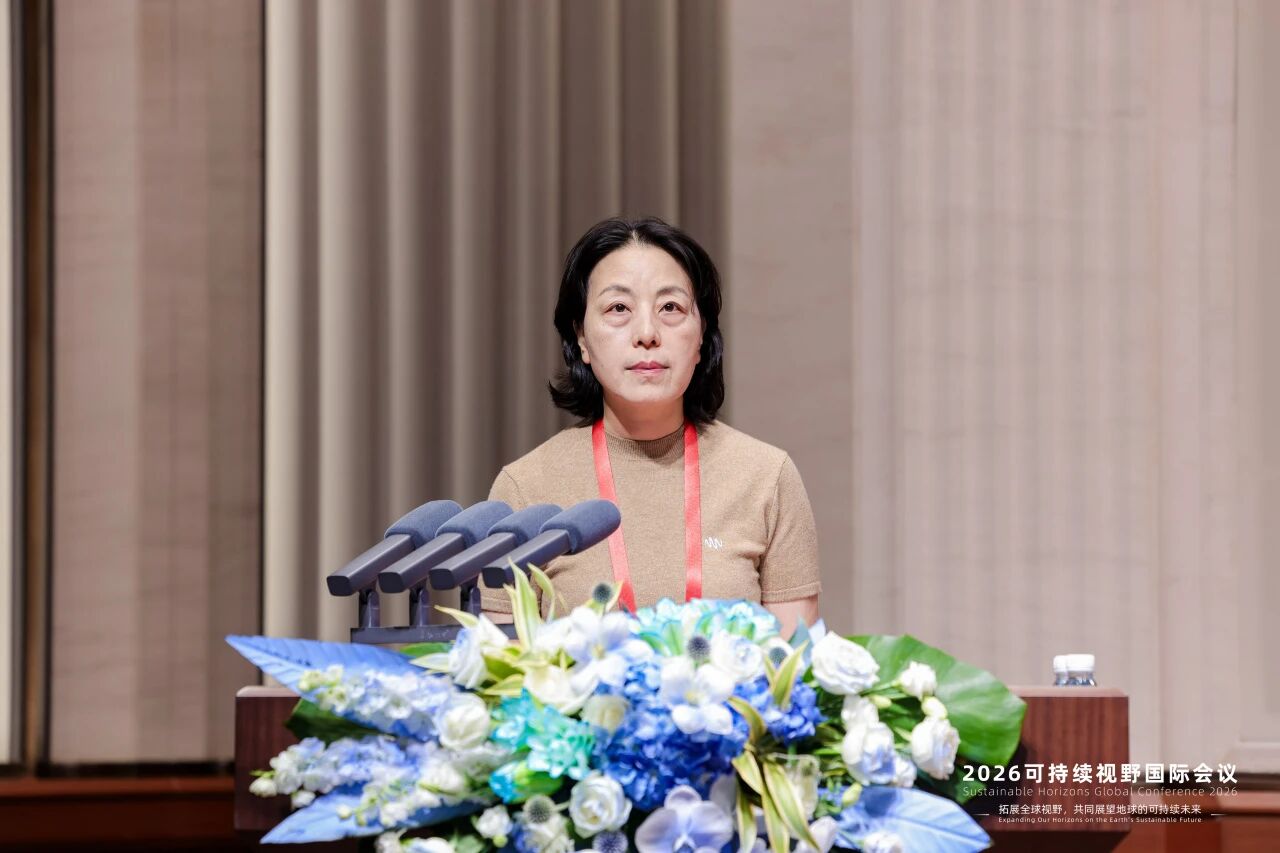
Ms. Ying Shi delivers address
Ms. Ying Shi, Vice Chair of the Ningbo Association for Science and Technology, noted that climate change, the use of resources and energy, ecological and environmental protection, and public health are challenges shared by all countries and are closely interconnected. As a major port city and manufacturing hub, she said, Ningbo looks to strengthen cooperation with research institutions around the world in areas such as emissions reduction in port and shipping operations and the ecological protection of coastal waters, working together to solve practical problems. The Association will continue to foster university–industry collaboration and support young scientists and engineers in taking part in international exchanges.
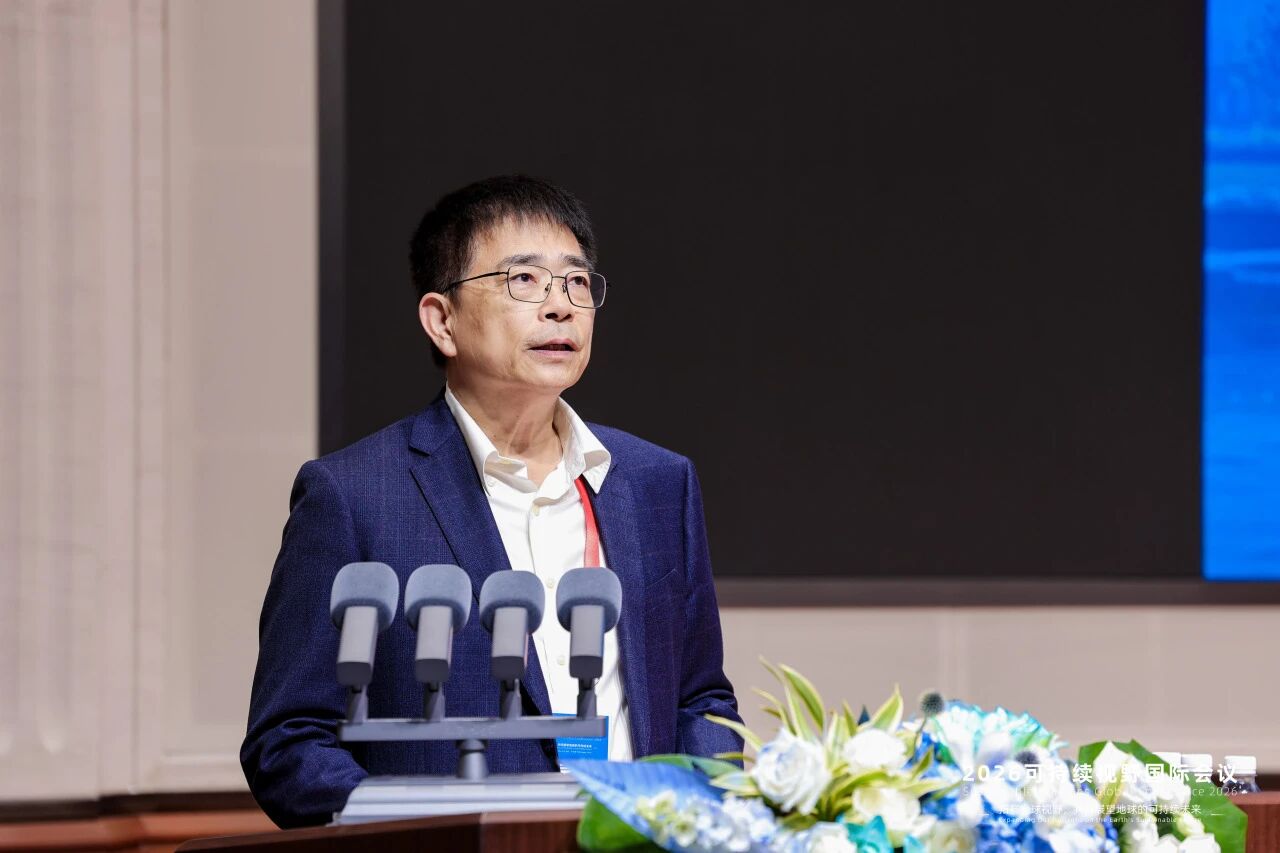
Prof. Zongwei Cai delivers address
"A university in the twenty-first century must not only study the world but help safeguard it." said Prof. Zongwei Cai, Member of Academia Europaea, Associate Vice President of EIT and Dean of the College of Science. Sustainability, he noted, has stood at the heart of EIT's mission since the University was founded. Drawing on the School of the Environment and Sustainable Engineering and the Institute for Earth's Water Systems, the University brings together environmental science, engineering, and policy to address real-world challenges such as pollution, ecological degradation, and the energy transition.
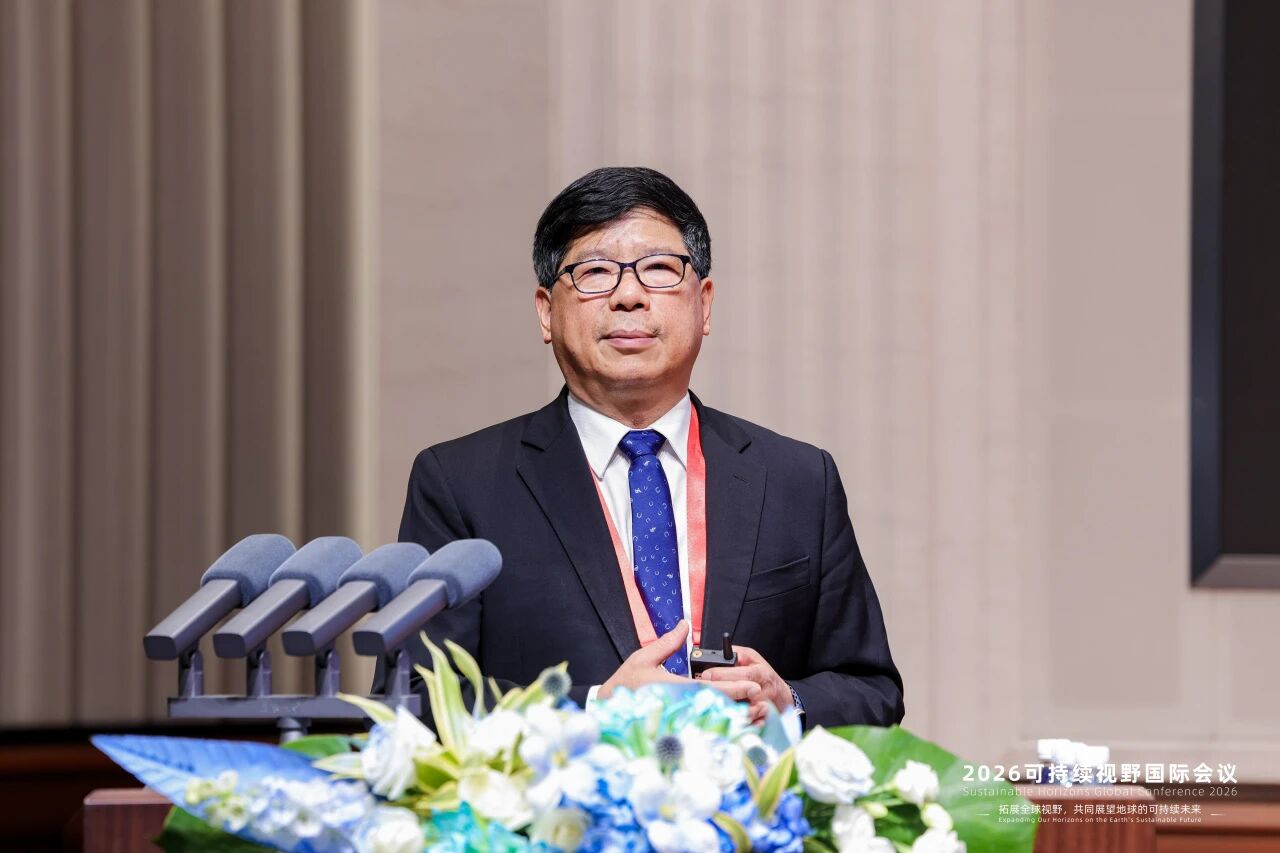
Prof. Chunmiao Zheng delivers address
"The challenges we study are interconnected, and our scientific dialogue must reflect that reality." Prof. Chunmiao Zheng, Co-Chair of the conference, pointed to the links between groundwater pollution and agricultural production, ecological health, energy use, and drinking-water safety to illustrate why interdisciplinary research is essential. Drawing on his own career in research overseas, in teaching after returning to China, and in building academic programs, he spoke of the vision behind founding Sustainable Horizons. Now that the open-access journal is based at EIT, he hopes it will help knowledge cross disciplinary and geographical boundaries and give young scholars opportunities to exchange ideas and grow. The discussions across different fields at the conference can inform and inspire one another, he said, while the journal carries the academic conversation forward and supports the dissemination and application of research findings.
Following the opening ceremony, six plenary lectures were delivered in turn, chaired by Prof. Chunmiao Zheng, Vice President of EIT and Prof. Weiwei Sun, a senior leader of Ningbo University.
Prof. Tong Zhu, Member of the Chinese Academy of Sciences and Fellow of The World Academy of Sciences (TWAS), and Dean of the College of Environmental Sciences and Engineering at Peking University, spoke on "Global Change and Health", reviewing how environmental factors affect human health against the backdrop of global change and how those impacts can be addressed. Prof. Zongwei Cai, in "Mass Spectrometry Analysis of Emerging Environmental Pollutants", presented cutting-edge applications of mass spectrometry in identifying and detecting emerging pollutants. Prof. Dabo Guan, Member of Academia Europaea and Professor in the Department of Earth System Science at Tsinghua University, delivered Climate Change Mitigation in Global Energy Infrastructure, examining pathways and potential for the low-carbon transition of energy systems.
Prof. Yankai Xia, Vice President of Nanjing Medical University, discussed the risk assessment and underlying mechanisms of chemical substances in food and their bearing on sustainable health. Professor of Practice Danijela Gasevic of the School of Public Health, Li Ka Shing Faculty of Medicine, the University of Hong Kong, focused on settings ranging from everyday environments to extreme events and described the health effects of environmental exposures across the life course. Prof. Gary Y. Gan, Fellow of the Royal Society of Canada and Professor at Wenzhou University, shared his work on regulating the rhizosphere microenvironment to improve soil health and reshape ago-ecosystem resilience.
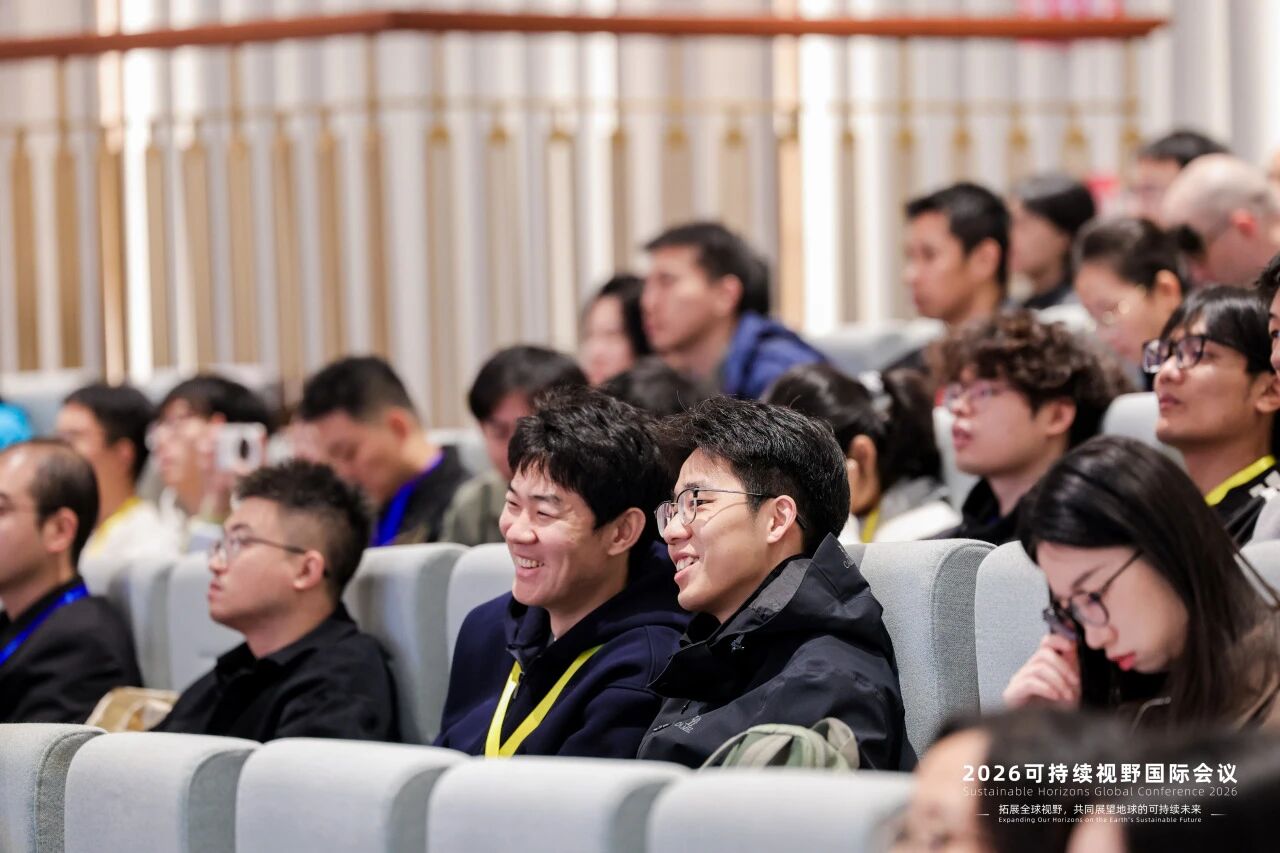
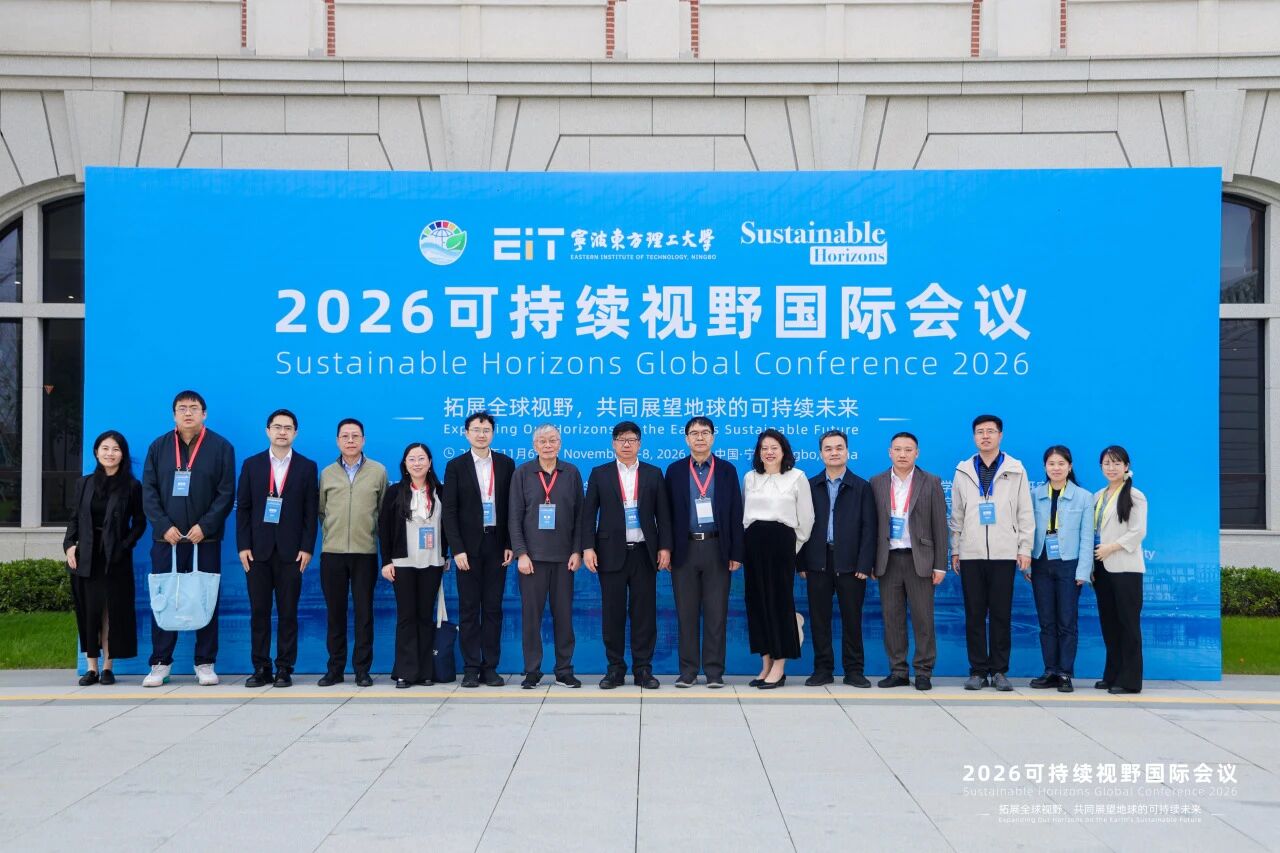
The opening ceremony and parallel sessions
That afternoon, parallel sessions ran simultaneously across ten meeting rooms in Safewell Building. They covered the sustainability of groundwater resources and their ecological and environmental effects; the modeling and control of water pollution processes; atmospheric environments; oceans and sustainability; the coordinated, sustainable governance of environmental exposure and human health risks; mechanisms of climate change and intelligent forecasting of extreme events; solid waste reuse and green chemistry; remote sensing and Earth system modeling; clean energy and carbon neutrality; and ecological and geological environments.
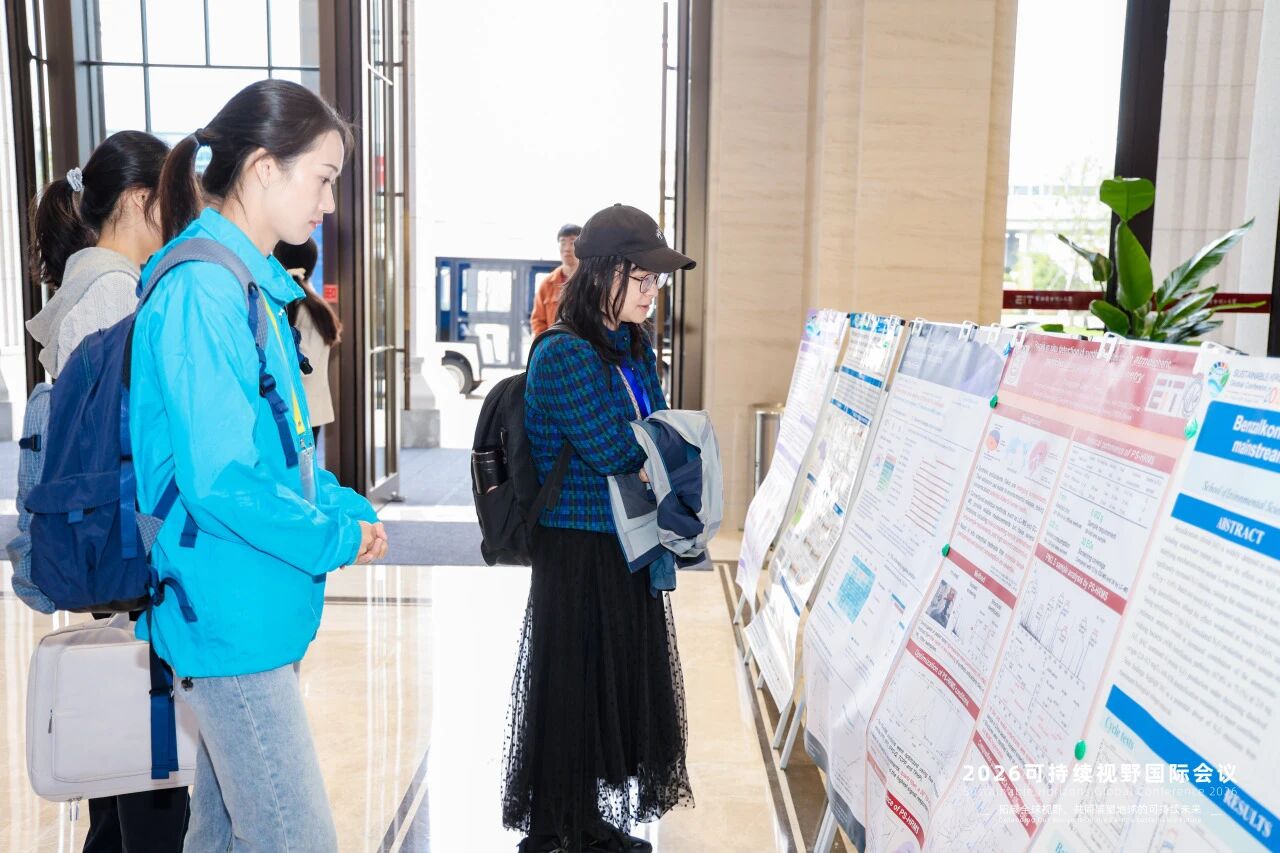
In the ground-floor lobby of Safewell Building, young scholars and participants gathered at the poster exhibition for lively discussion. From the plenary lectures to the parallel sessions, a question on many minds was how research findings can be translated into governance practice more quickly.
Over the past month, EIT has held a series of events centered on sustainability. On October 17, the Institute for Earth's Water Systems was established to support the sustainable use of water resources through interdisciplinary research. On October 28, the International Model United Nations Climate Change Conference, took place at the University, helping young people understand global climate governance through negotiation and dialogue. And from November 6 to 8, the Sustainable Horizons Global Conference brought together Chinese and international experts and scholars to examine the opportunities and challenges of sustainable development.
From building research platforms to nurturing young talent and engaging in international academic exchange, EIT is weaving sustainability into its research and education, responding to global challenges through continued exploration.