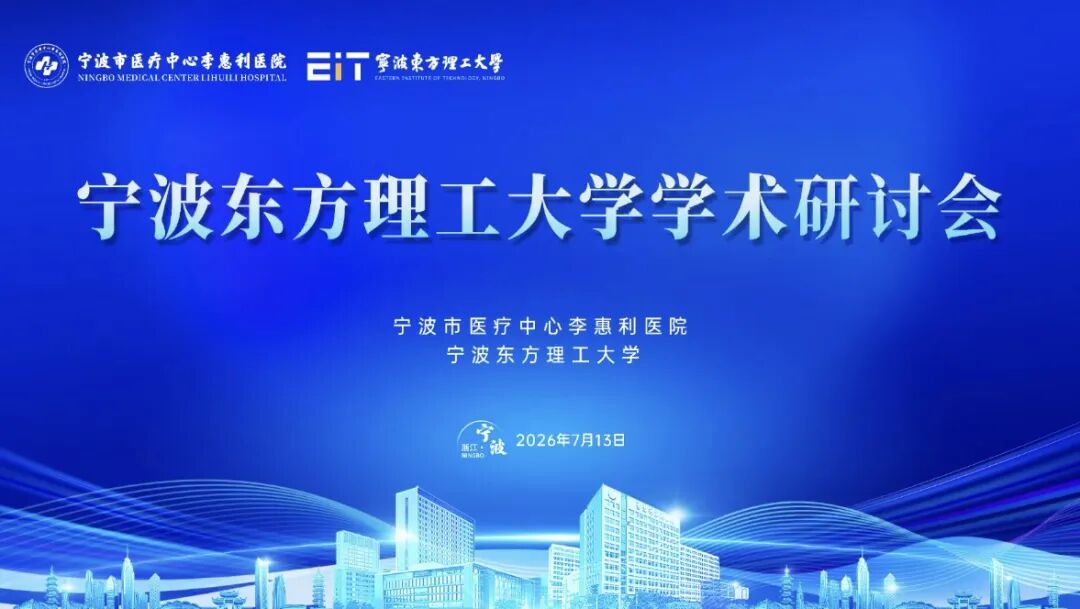
On July 13, Professor Zongwei Cai, Associate Vice President of the Eastern Institute of Technology, Ningbo (EIT), Member of Academia Europaea, and Dean of the College of Science, led a delegation of principal investigators to the Xingning Campus of Ningbo Medical Center Li Huili Hospital for a high-level interdisciplinary symposium on medical-engineering integration.
The symposium centered on mutual academic presentations and in-depth discussions, with a focus on cutting-edge domains including mass spectrometry imaging and metabolomics, organoid-on-a-chip technologies, biomedical engineering, nanomaterials and drug delivery systems, environmental health, and precision diagnostics and therapeutics. The overarching objective was to catalyze substantive collaboration between the two institutions in both fundamental research and clinical translation.
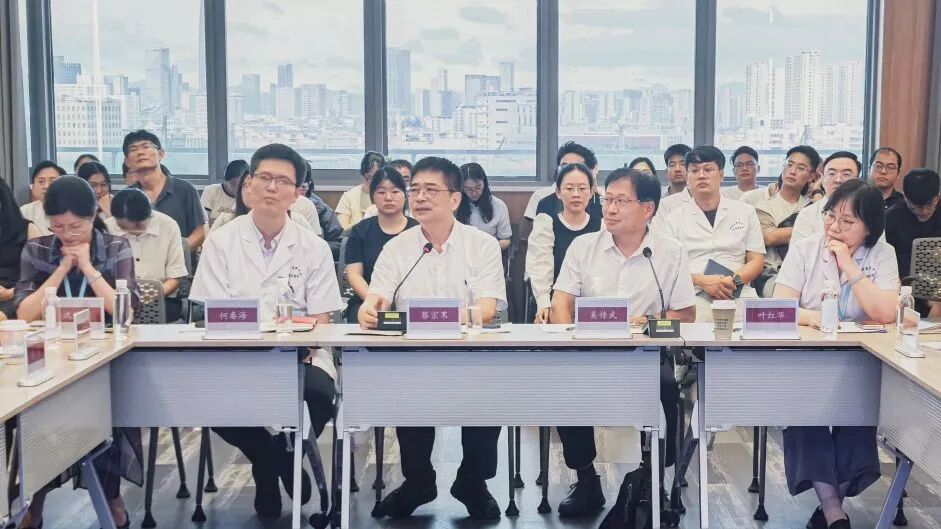
Professor Chuanwu Xi, Vice Provost for Global Engagement at EIT; Mr. Chunhai Ke, Party Secretary of Ningbo Medical Center Li Huili Hospital; and Ms. Honghua Ye, President and Deputy Party Secretary of the hospital, attended the symposium. The session was chaired by Professor Zhouji Shen, Vice President of the hospital.
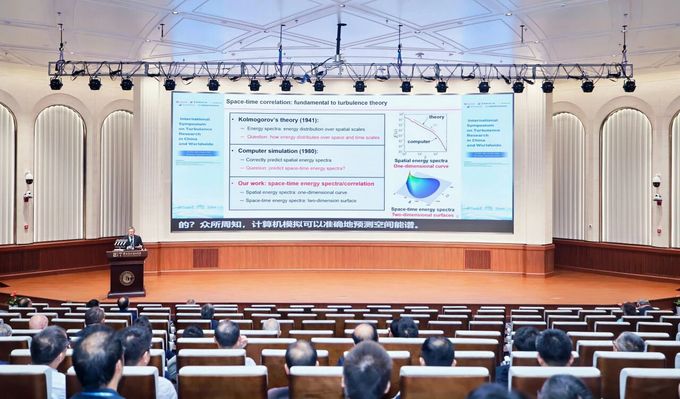
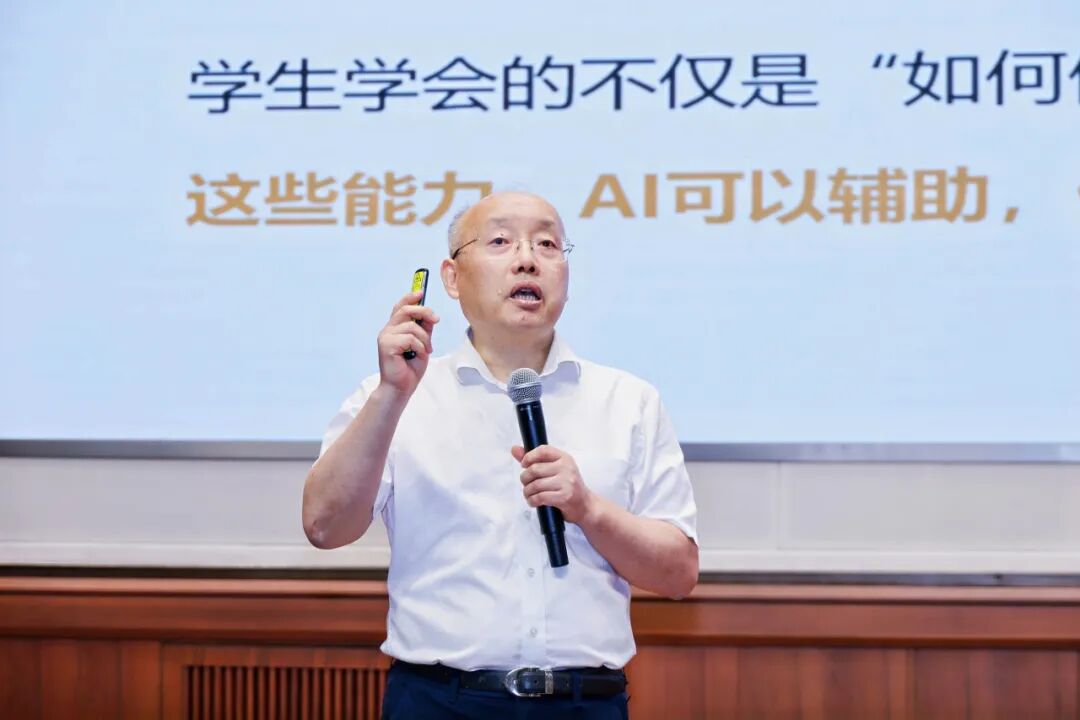
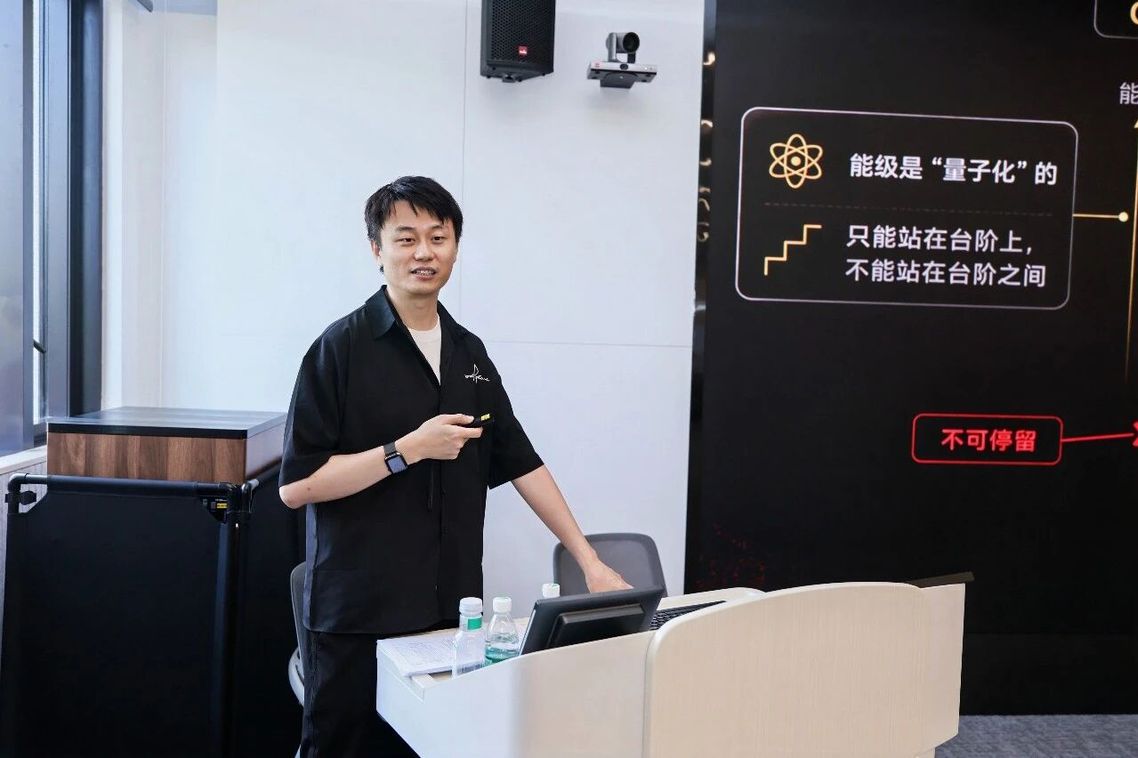
During the academic presentation segment, 17 principal investigators from EIT—including Tian Xia, Jianbo Gao, Chen Zhu, and Shihui Wen—delivered talks on their respective research directions and recent advances. The presentations were comprehensive and logically coherent, showcasing both the technical depth of fundamental research and a clear translational trajectory toward clinical applications.
Academic Presentations
Professor Zongwei Cai's Group demonstrated the application of an integrated mass spectrometry imaging and spatial multi-omics platform in clinical research, achieving precise spatial visualization of metabolites and proteins in tissue sections.
Professor Chuanwu Xi's Group reported on infection control for medical devices, as well as environmental transmission and mitigation approaches for infectious diseases.
Professor Dayong Jin's Group presented work on organelle-targeted precision theranostics, utilizing upconversion nanoprobes for dynamic real-time monitoring of mitochondrial function.
Associate Professor Hang Zhang's Group introduced encouraging progress on novel hydrogel materials designed for tissue repair and regeneration.
Researcher Jianbo Gao described ongoing optimization efforts in rapid urinary biomarker detection and high-throughput ultrasensitive protein immunoassays.
Associate Professor Chen Zhu's Group demonstrated that their automated sample preparation platform substantially improves analytical throughput.
Additional principal investigators—including Shihui Wen, Hao Zhang, Shan Zhou, Yuanlong Huang, Fabai Wu, Yanji Wei, and Yuqing Ye—presented their latest findings on luminescent nanoprobes, spatial transcriptomics optimization, clinical metabolomics cohort studies, indoor air exposure mechanisms, atmospheric interfacial processes, environmental viromics, cardiovascular hemodynamic modeling, and targeted microsphere-based drug delivery systems.
In the clinical research session, department heads and lead clinicians from multiple units at Li Huili Hospital—including Thoracic Surgery, the Neuromedical Center, Sports Medicine, the Intensive Care Unit (ICU), Nephrology, and the Medical-Engineering Integration Innovation Research Institute—actively engaged with the EIT delegation. Nearly ten physicians and senior researchers, among them Guodong Xu, Jinxian He, Wu Zheng, and Yang Zhou, articulated pressing clinical challenges and proposed concrete pathways and specific collaborative entry points for launching interdisciplinary research partnerships with the EIT groups.
The symposium builds on the official launch in June of the "Academician Workstation for Research on Environmental–Metabolic Regulation and Major Diseases," a joint initiative ofNingbo Medical Center Li Huili Hospital and EIT, and marks the latest step toward deepening medical-engineering integration between the two institutions.
The symposium not only showcased the technical capabilities of EIT's research teams across multiple frontier disciplines, but also fostered direct dialogue between basic researchers and clinicians. Several principal investigators and clinicians identified specific areas for future collaboration during the meeting, including joint analysis of tissue samples, expansion and validation of detection targets, and sharing of sample preparation platforms. The two parties demonstrated a natural complementarity along the entire chain of "basic research–technology transfer–clinical validation," laying a solid foundation for substantive, collaborative breakthroughs at the nexus of medicine and engineering.