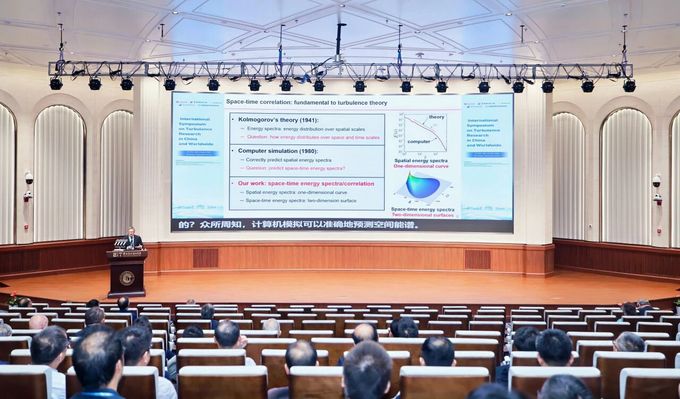
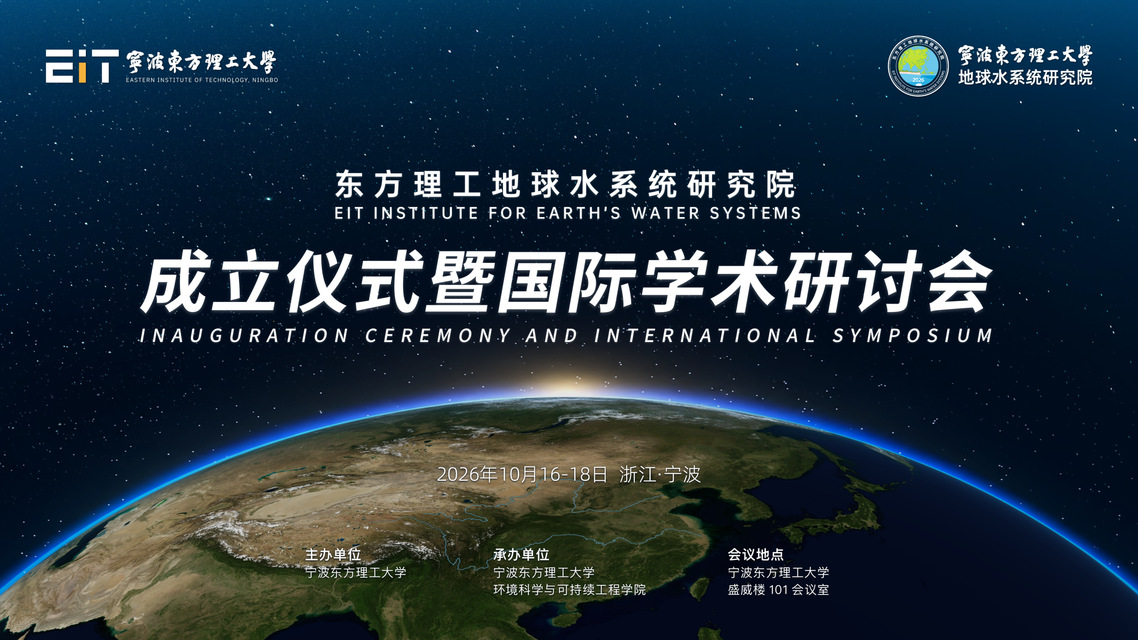
From October 16 to 18, the International Symposium on Turbulence Research in China and Worldwide was held at the Eastern Institute of Technology, Ningbo (EIT). Co-hosted by Peking University, the Southern University of Science and Technology (SUSTech), and EIT, the symposium brought together more than 150 experts and scholars in fluid mechanics and related fields from nine countries and regions, including 13 academicians from China and abroad. Participants exchanged views on the latest advances in turbulence theory, numerical simulation, experimental research, and engineering applications, and explored the intersection and integration of turbulence research with such frontier fields as artificial intelligence.
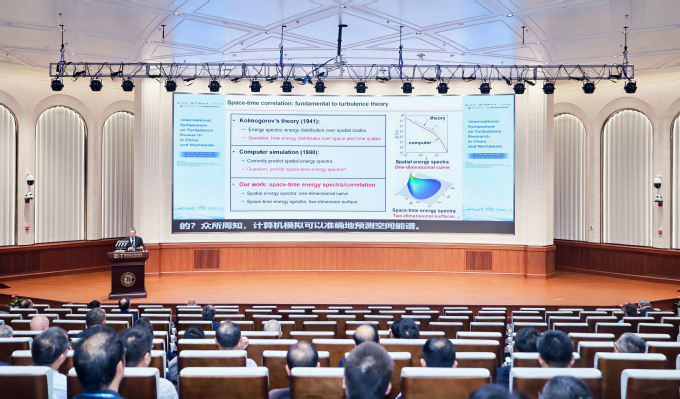
The symposium in session
The opening ceremony was chaired by Prof. Cunbiao Li, Director of the State Key Laboratory for Turbulence and Complex Systems at Peking University. Delivering address at the ceremony were Prof. Shiyi Chen, President of EIT and Member of the Chinese Academy of Science; Prof. Dongxiao Zhang, Executive Vice President and Provost of EIT and Member of the U.S. National Academy of Engineering; Prof. Katepalli Raju Sreenivasan, Chair Professor at New York University, Co-Chair of the symposium, Member of the U.S. National Academy of Sciences and the U.S. National Academy of Engineering; and Prof. Xiaogang Deng, Professor at the National University of Defense Technology and Member of the Chinese Academy of Sciences. The symposium was co-organized by the State Key Laboratory for Turbulence and Complex Systems and the National Key Laboratory of Fundamental Algorithms and Models for Engineering Numerical Simulation.
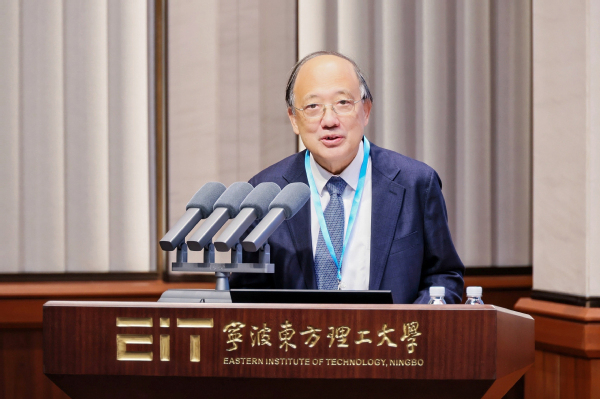
President Shiyi Chen delivers an address
On behalf of EIT, President Shiyi Chen welcomed the guests and thanked colleagues at home and abroad for their long-term support of scientific research. He noted that EIT is committed to the positioning of a "High-caliber foundation, Compact yet distinguished, Research oriented, and Globally Engaged" institution, oriented toward the nation's strategic needs and the global frontiers of science and technology, and attaching great importance to the development of fundamental disciplines and interdisciplinary exploration.
As a scholar who has long been engaged in turbulence and computational fluid dynamics research, he particularly looked forward to exchanging ideas and sharing research progress with peers from around the world on the EIT campus. He added that the university is making sustained efforts in three directions: the physical mechanisms of turbulence and high-fidelity flow simulation; self-developed high-performance industrial simulation software; and the integration of artificial intelligence and fluid mechanics, exploring new approaches to intelligent modeling, flow prediction, and computational simulation in support of industrial upgrading.
President Chen stressed that turbulence research is highly fundamental, challenging, and interdisciplinary, and calls for continued exchange of ideas and open dialogue across borders. He expressed the hope that the symposium would serve as a new starting point for achieving more original outcomes in fundamental turbulence theory and related interdisciplinary fields.
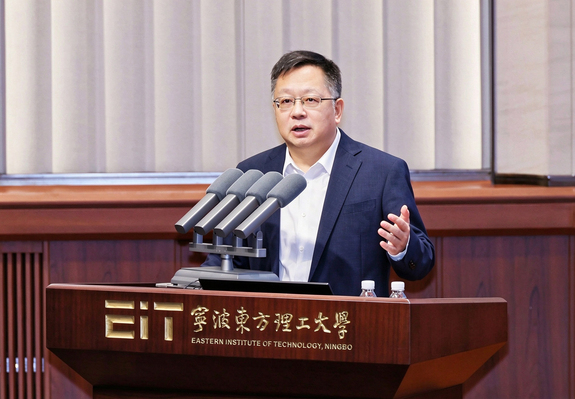
Prof. Dongxiao Zhang delivers an address
In his remarks, Prof. Zhang noted that the essence of artificial intelligence lies in using mathematical and statistical methods to handle residuals — precisely the underlying reason why AI can be deeply integrated with such traditional sciences as fluid mechanics, providing a methodological foundation for cross-disciplinary integration. The development of frontier, fundamental, and interdisciplinary disciplines, he added, requires sustained cross-border exchange of ideas, open dialogue, and teamwork. He looked forward to the symposium becoming a new starting point for in-depth academic cooperation among participants.
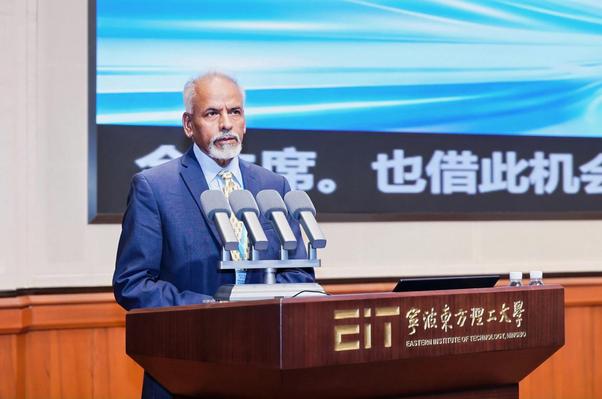
Prof. Katepalli Raju Sreenivasan delivers an address
Prof. Sreenivasan reviewed the development of international turbulence research. He stated that turbulence is a fundamental challenge faced jointly by scientists around the world, and every step of progress in its research is inseparable from cross-border exchange and collaboration. Chinese scholars, he noted, have made globally remarkable achievements in turbulence theory, numerical simulation, and experimental research. He looked forward to taking this symposium as an opportunity to deepen long-term cooperation between Chinese and international scholars, and encouraged more young scholars to devote themselves to this challenging field.
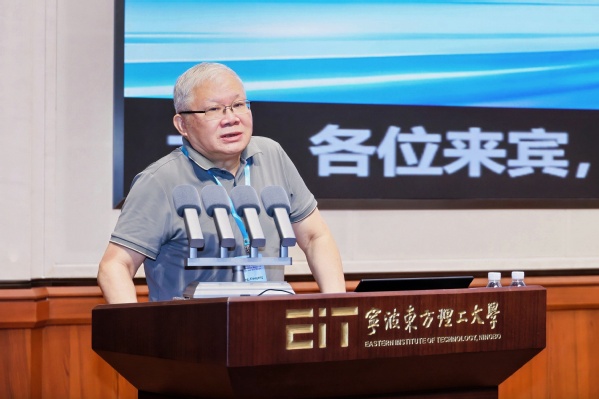
Prof. Xiaogang Deng delivers remarks
In his address, Prof. Deng stated that turbulence is the core problem of fluid mechanics, and its complexity poses a long-term challenge to human intellect. At present, artificial intelligence and data-driven methods are opening new pathways for turbulence research. He expressed the hope that participating scholars would carry forward the tradition of engineering sciences, build the innovation chain from fundamental research to national needs, and drive new breakthroughs in turbulence research through high-level international cooperation.
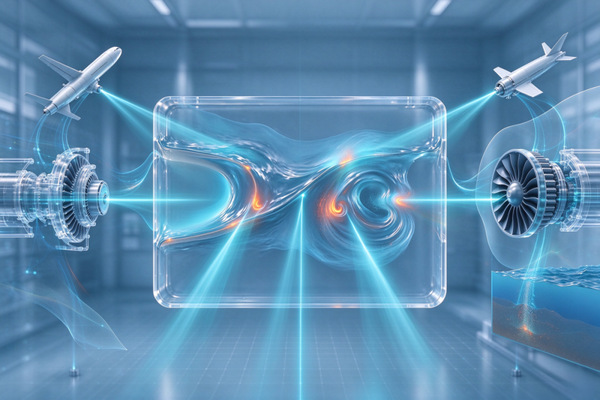
Turbulence research (AI-generated image)
Turbulence is a fundamental problem in classical physics that has yet to be fully solved. It is ubiquitous in the atmosphere, the oceans, and a wide range of engineering flows. Its complex multiscale motion is not only an important subject of basic scientific research but is also closely related to energy utilization, aeronautics and astronautics, and the development of high-end equipment. The symposium focused on turbulence and flow instability in single-phase and multiphase flows, integrating theoretical analysis, experimental observation, numerical computation, and engineering practice.
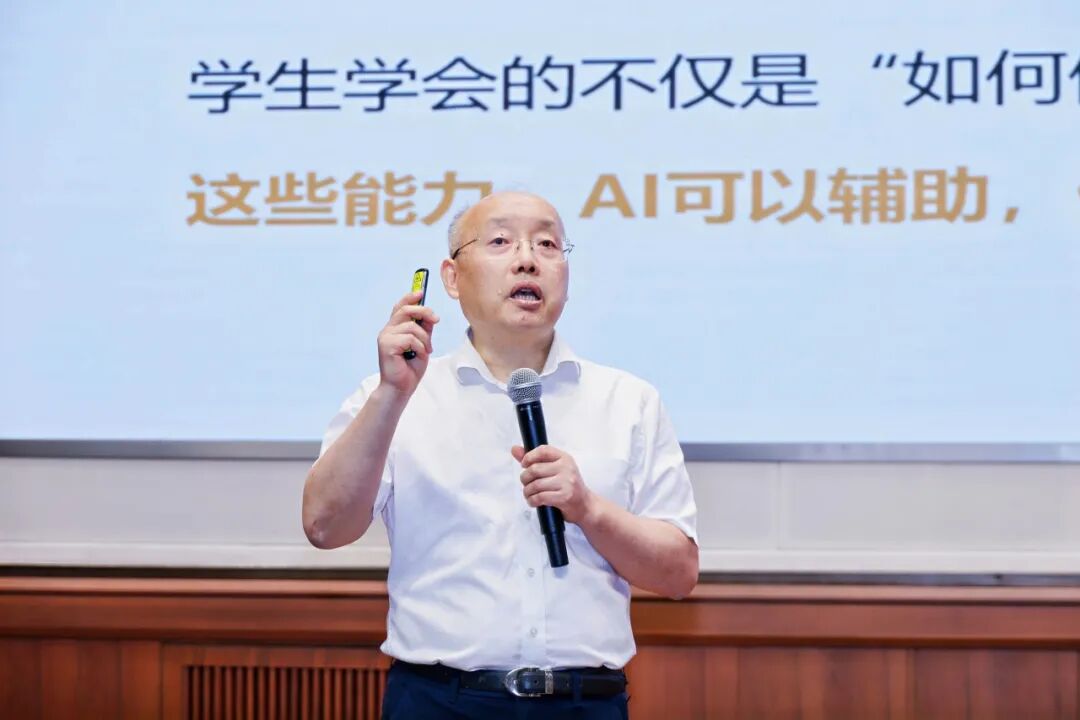
After the opening ceremony, the symposium moved into its academic sessions. A number of renowned scholars from China and abroad delivered invited talks on wall-bounded turbulence, AI-based turbulence modeling, turbulence and cloud microphysics, and other topics. Participants also discussed the application of generative models to the synthesis and reconstruction of turbulent flow fields, quantum computing for turbulence simulation, and physical constraints and model development in large-eddy simulation, and shared the latest advances in liquid metal magnetohydrodynamic turbulence for fusion energy, transport in porous media, multiphase flow, fluid-structure interaction, and industrial simulation software.
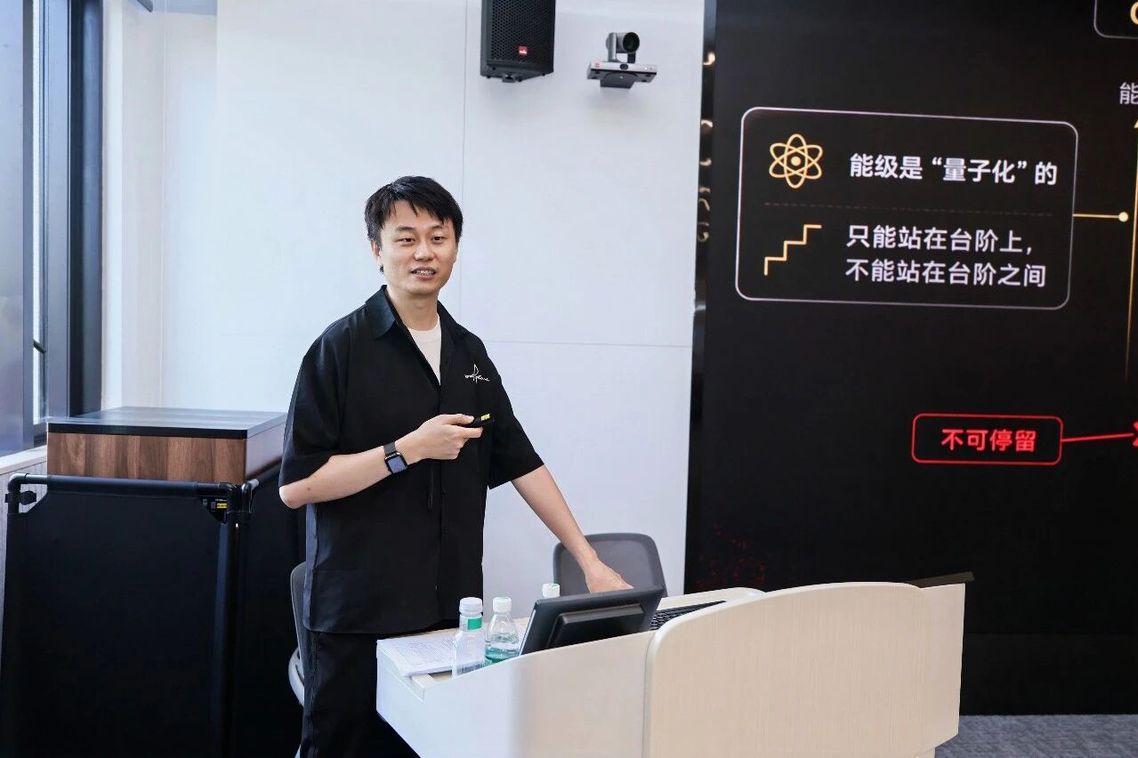
The symposium featured a dedicated session for young scholars, in which early-career researchers from China and abroad presented their latest findings on compressible turbulent boundary layers, data-driven turbulence modeling, three-dimensional turbulence generation, shear flows, and engineering applications of scientific machine learning, and interacted face-to-face with leading experts in the field.
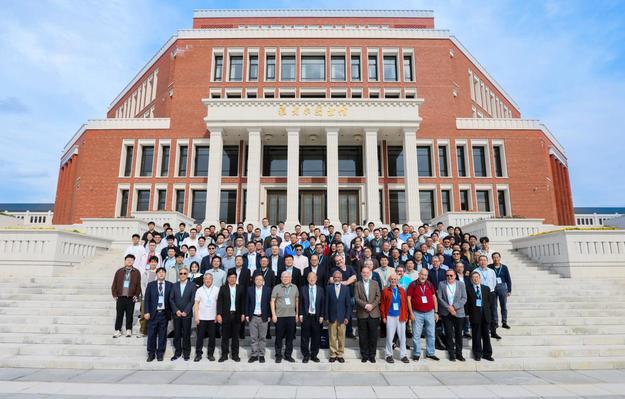
Group photo
The symposium provided an opportunity for universities, research institutes, and enterprises at home and abroad to deepen collaboration and partnerships, and created opportunities for EIT faculty and students to engage directly with the international academic frontier. Ningbo is an important national base for the high-end equipment, energy, and marine engineering industries. The in-depth discussions at EIT on turbulence mechanisms, advanced computing, and engineering applications offer new insights for the development of fluid mechanics and help to precisely align fundamental turbulence research with the innovation needs of regional industries.