Launch Ceremony
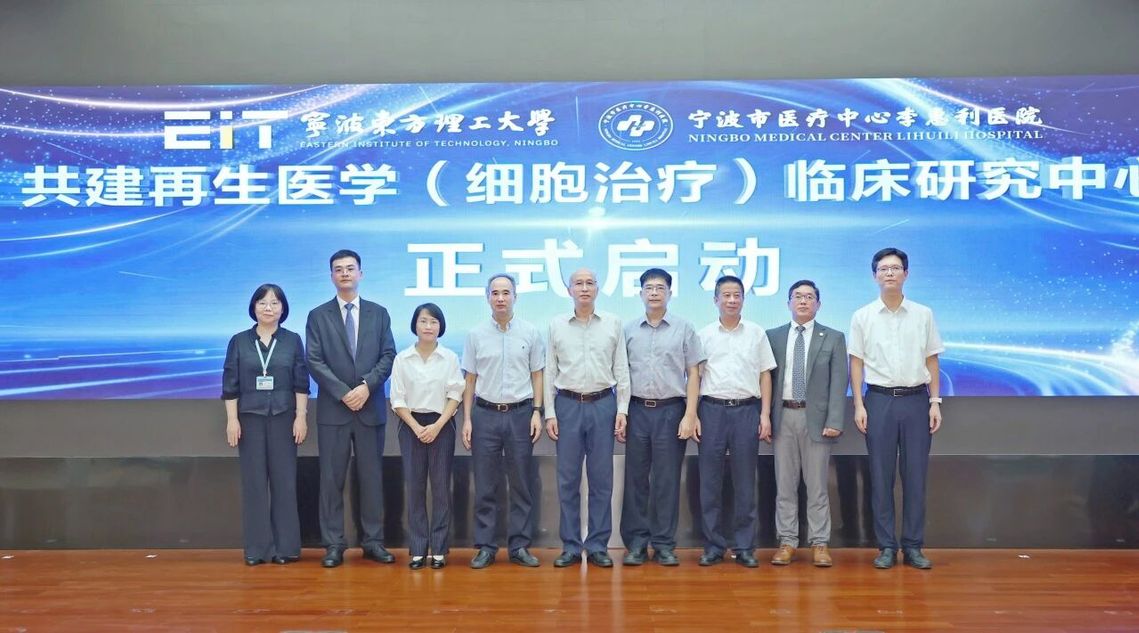
On September 29, the Clinical Research Center for Regenerative Medicine (Cell Therapy), jointly established by the Eastern Institute of Technology, Ningbo (EIT) and Ningbo Medical Center Lihuili Hospital, was officially launched at Lihuili Hospital.
The launch marks the expansion of the partnership between the two institutions from basic laboratories and an academician workstation to a fully operational research platform — and a further step in extending the university's capacity for scientific and technological innovation in frontier interdisciplinary fields of life and health toward the healthcare industry.
Present at the ceremony were Mr. Shanfu Chen, Deputy Director of the Ningbo Municipal Science and Technology Bureau; Mr. Jianlin Xhou , Full-time Deputy Director of the Ningbo Municipal Patriotic Health Campaign Committee; Ms. Huanhuan Yu, Deputy Director of the Ningbo Municipal Administration for Market Regulation; Prof. Wenjun Zeng, Vice President of EIT; Prof. Zongwei Cai, Associate Vice President of EIT; Mr. Yeming Zhang, General Manager of Shanghai Noah Hanson Medical Technology Co., Ltd.; Mr. Chunhai Ke, Party Secretary of Ningbo Medical Center Lihuili Hospital; and Ms. Honghua Ye, President and Deputy Party Secretary of the hospital. The ceremony was presided over by Prof. Zhouji Shen, Vice President of the hospital.
Signing Ceremony
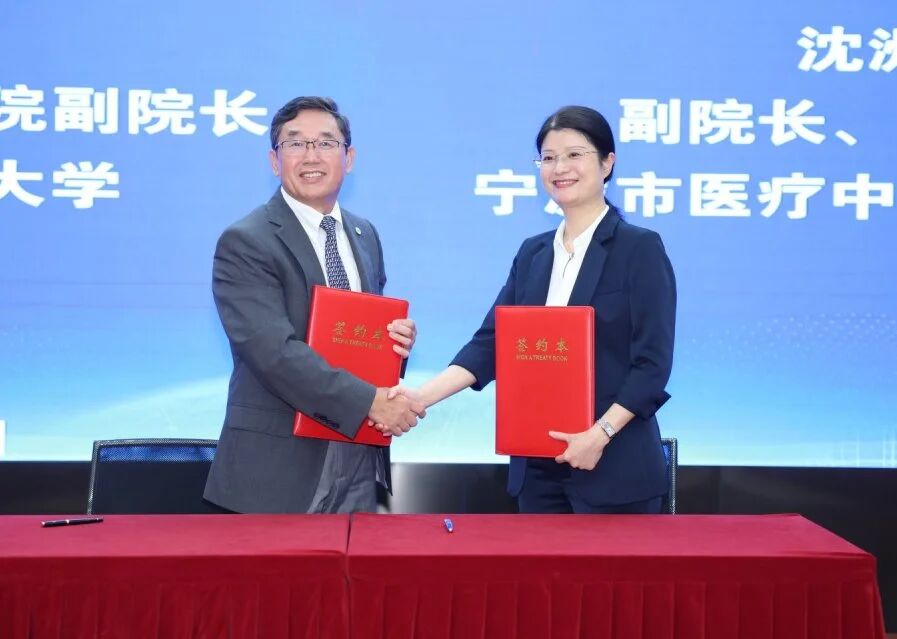
At the ceremony, Prof. Ping Wang, Vice Dean of the Graduate School and Chair Professor at EIT, signed the cooperation agreement together with Prof. Zhouji Shen on behalf of the two institutions. The attending guests jointly pressed the launch button, officially bringing the center into full operation
From Point-Based Collaboration to Platform-Based Synergy
Regenerative medicine and cell manufacturing are a focal point of international competition in biomedicine and a key direction for Zhejiang Province and Ningbo in developing the life and health industry. The joint initiative aligns with the national policy of promoting medicine–engineering integration and the technology transfer of scientific and technological achievements, and responds to the region's practical demand for cultivating new quality productive forces.
Lihuili Hospital
Previously, the two parties had established the Key Laboratory of Digital Medicine and the Academician Workstation for Research on Environmental–Metabolic Regulation and Major Diseases, building a solid foundation for medicine–engineering collaboration. The launch of the center represents an iterative upgrade on this foundation: the university concentrates on fundamental research breakthroughs and process standards, the hospital provides clinical needs-driven orientation and validation scenarios, and the enterprise undertakes engineering scale-up and industrialization — together forming a complete chain of basic research, technology development, clinical validation, and technology transfer.
Engineering-Empowered Medicine: Interdisciplinary Strengths in Frontier Fields
As a new type of research university characterized by "High-caliber foundation, Compact yet distinguished, Research oriented, Globally engaged", EIT has developed distinctive strengths in frontier interdisciplinary fields including artificial intelligence, integrated circuits, intelligent manufacturing, unmanned technology, new energy and new materials, and life and health.
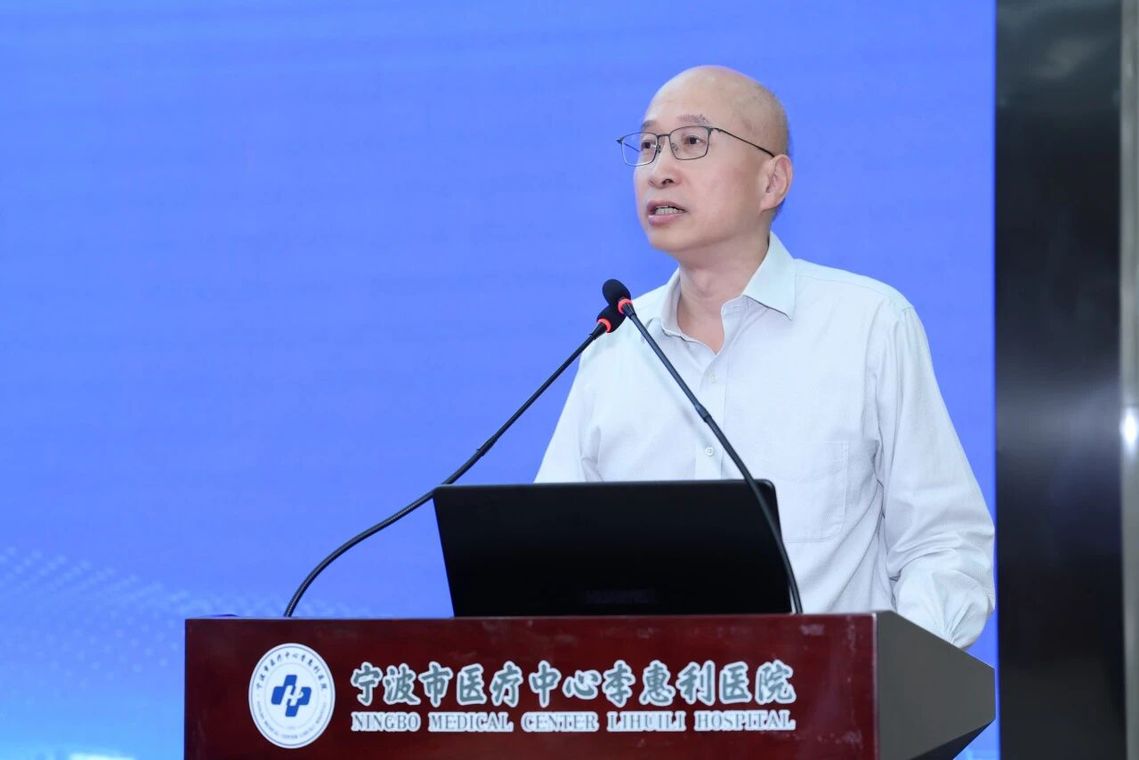
Address by Prof. Wenjun Zeng
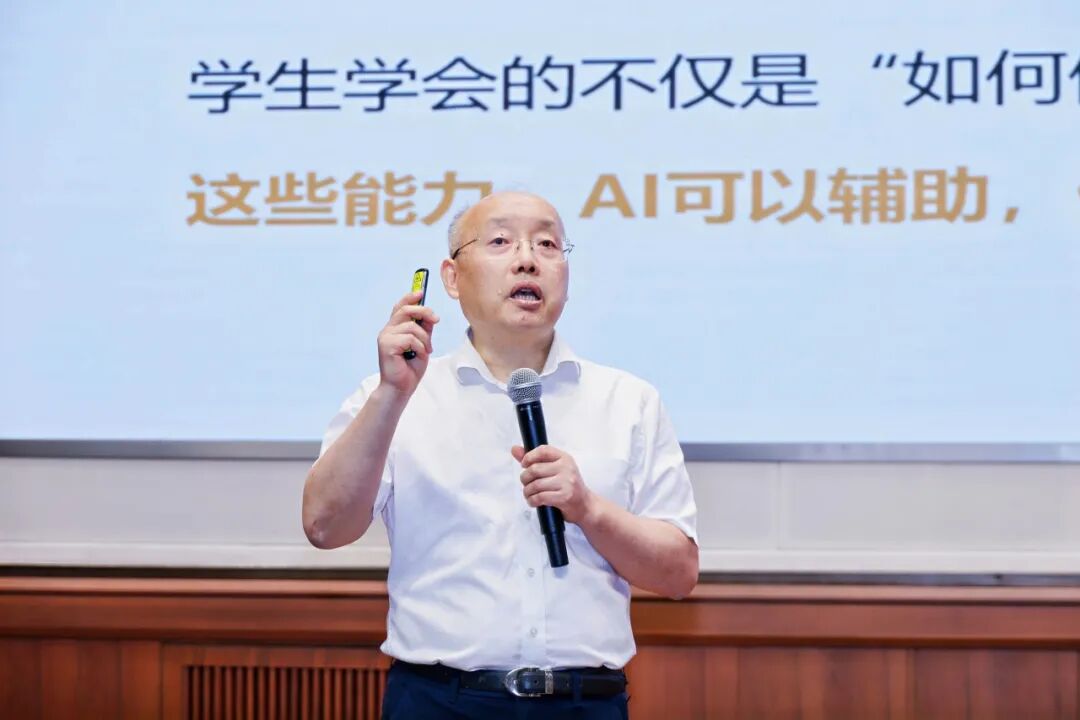
Prof. Wenjun Zeng stated that the university will take this opportunity to further unleash the interdisciplinary potential of biomedical engineering, materials science, and artificial intelligence, and concentrate its efforts on research breakthroughs. He put forward three expectations for the center: first, to conduct research of genuine value by refining distinctive and implementable research directions; second, to always put safety and quality first, strengthen quality, safety, and ethics, and achieve full-process control and full traceability of cells; and third, to stay open and collaborative, building the center into a platform with talent, projects, outputs, and industrial reach that connects the entire research-to-industry chain.
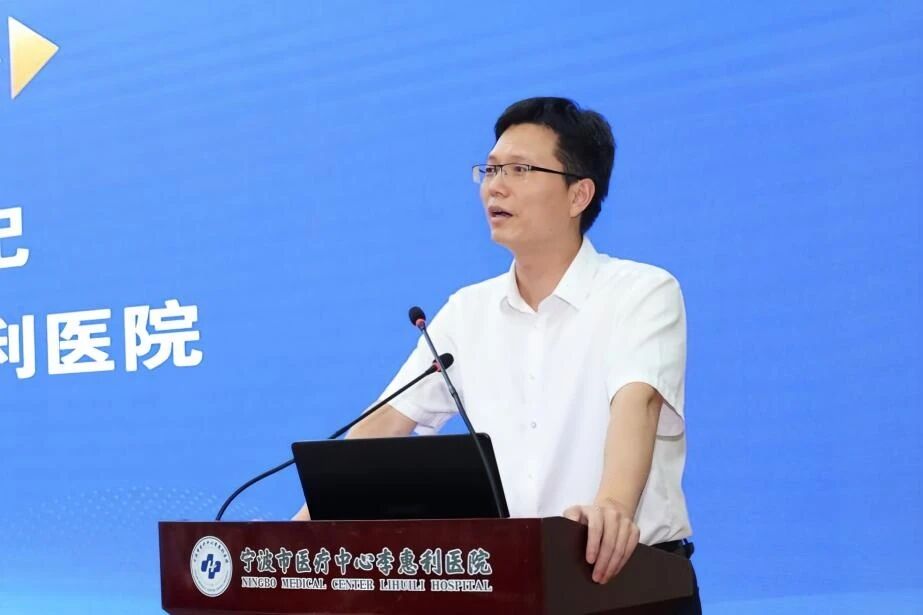
Address by Mr. Chunhai Ke
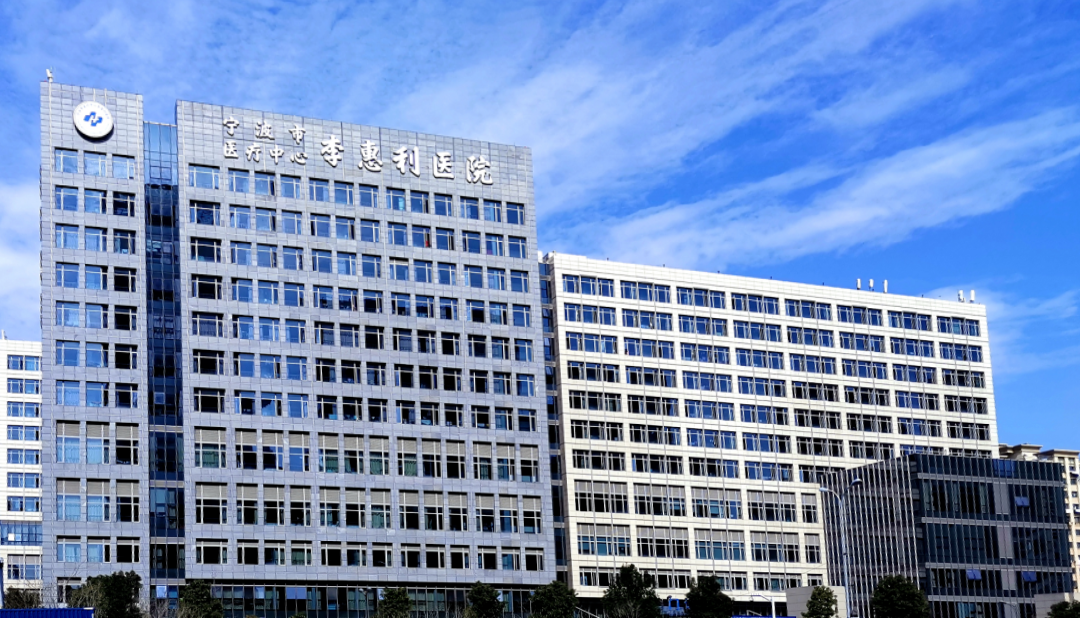
Mr. Chunhai Ke noted that the hospital's overall strength consistently ranks among the top 100 hospitals nationwide, that it has received a Grade A+ in theNational Performance Assessment of Public Hospitals for several consecutive years, and that it possesses abundant complex and critical cases, clinical cohorts, and biosample resources across eastern Zhejiang — fertile ground for clinical validation of relevant technologies.
The hospital will focus on three priorities: conducting research based on public needs and connecting the entire chain from basic research to translation; cultivating talent through medicine-engineering integration by opening two-way talent mobility channels, exchanging key personnel, and developing interdisciplinary teams; and advancing projects oriented toward medicine-research-industry integration, working with industry partners to accelerate the implementation of outcomes.
Yeming Zhang said the company will capitalize on the combined strengths of medicine, engineering, and industry to increase its resource commitment, fully open the channel for translating research outcomes, and bring regenerative medicine technologies to benefit the public.
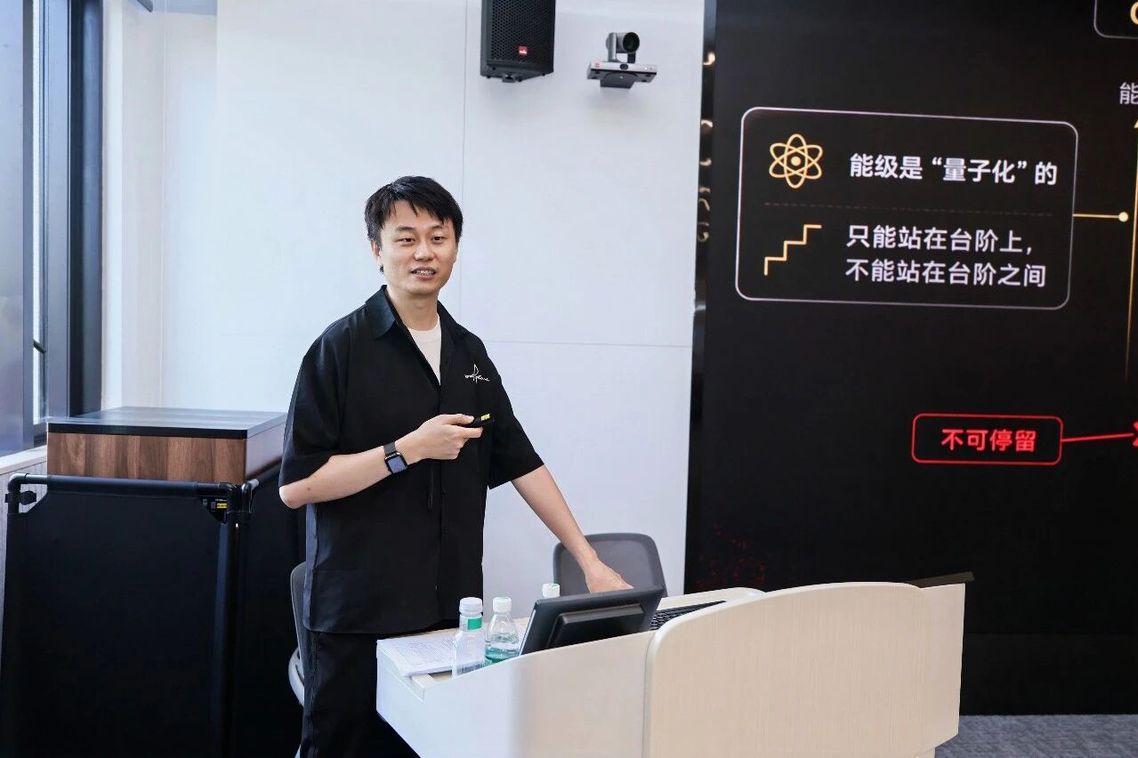
Prof. Ping Wang delivered a keynote speech titled Regenerative Medicine and Cell Therapy: A Milestone Moment in Life Sciences for the Benefit of Humanity. He noted that biomedicine is at an inflection point of major technological breakthroughs, and that regenerative medicine and cell therapy are embracing a major development opportunity.
Clinical Research Center for Regenerative Medicine (Cell Therapy)
Positioned as a platform for technology R&D and clinical translation, the center will focus on three core functions in charting a new blueprint for regenerative medicine.
Pursuing major breakthroughs. Building on its core cell manufacturing technologies, the center will conduct research in stem cells, exosomes, tissue repair, and intervention in major chronic diseases, explore new pathways for cell therapy, and develop a "Ningbo solution" for the repair of refractory diseases and the management of efficacy and safety.
Nurturing talent. The center will jointly train master's and doctoral students and, leveraging its GMP manufacturing platform, build a young, medicine–engineering interdisciplinary innovation team rooted in Ningbo with a global vision.
Generating original outcomes. By deepening research on cell manufacturing and regenerative repair mechanisms, the center aims to produce high-value academic outcomes and proprietary intellectual property, with the goal of becoming an demonstration base for clinical translation of regenerative medicine in eastern Zhejiang.
The center is supported by Professor Ping Wang's team at EIT, which has long worked at the intersection of bioengineering and nanotechnology, with deep expertise in stem cell culture and regulation, the preparation of bioactive cellular components, and the biomimetic design of biomaterials, and possesses end-to-end R&D capabilities from cellular functional analysis and manufacturing process development to quality evaluation.