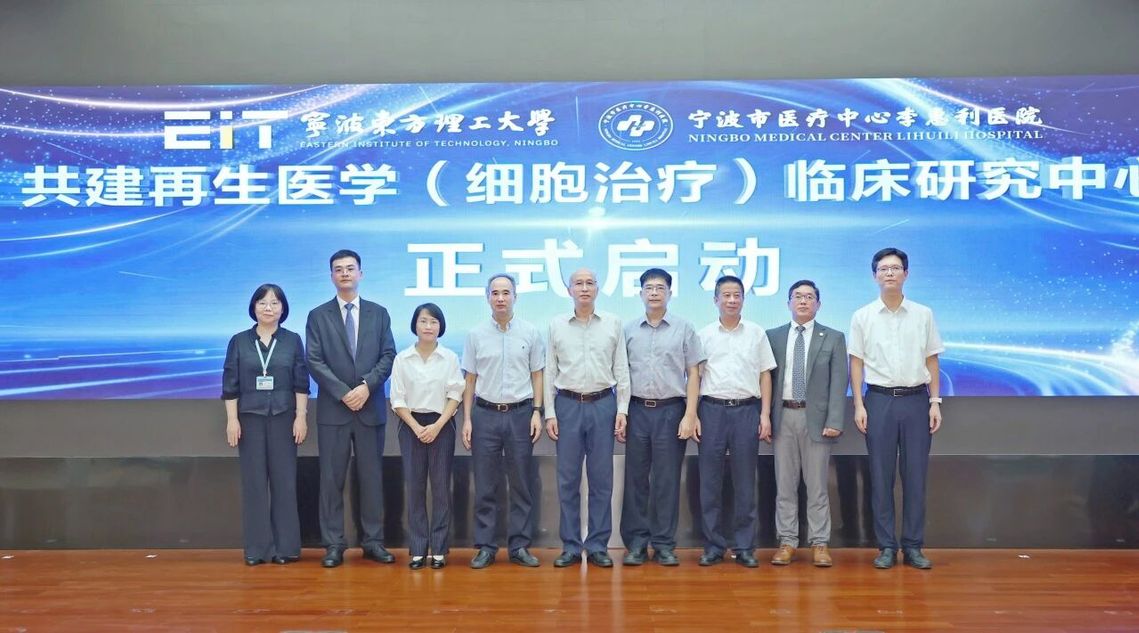
On October 10–11, the Eastern Institute of Technology, Ningbo (EIT) held its 2026 Conference on Teaching, the first university-wide conference of its kind since the university was founded. Under the theme Unifying Our Thinking, Building Consensus, Facing the Future, Pursuing Excellence, the conference looked back on all that EIT had done in teaching and learning since its founding and took up questions of educational transformation in the age of artificial intelligence, practice-based education, internationalized learning, and joint student development between the residential and academic colleges. It faced genuine problems squarely, built a shared understanding of education, and laid out a systematic blueprint for educating top innovative talent in the AI era.
The conference opened with an address by Prof. Shiyi Chen, President of EIT and Member of the Chinese Academy of Sciences. He noted that over the past few years the university had moved at what has become known as the EIT speed — in faculty recruitment, research innovation, and campus construction. Even as we race along the fast track, we must keep the composure and discipline to pause and think, so that the acceleration ahead carries more substance and greater innovative force.
AI Education as a University-Wide Strategic Mission: In the AI Era, the Human Element Matters More Than Ever
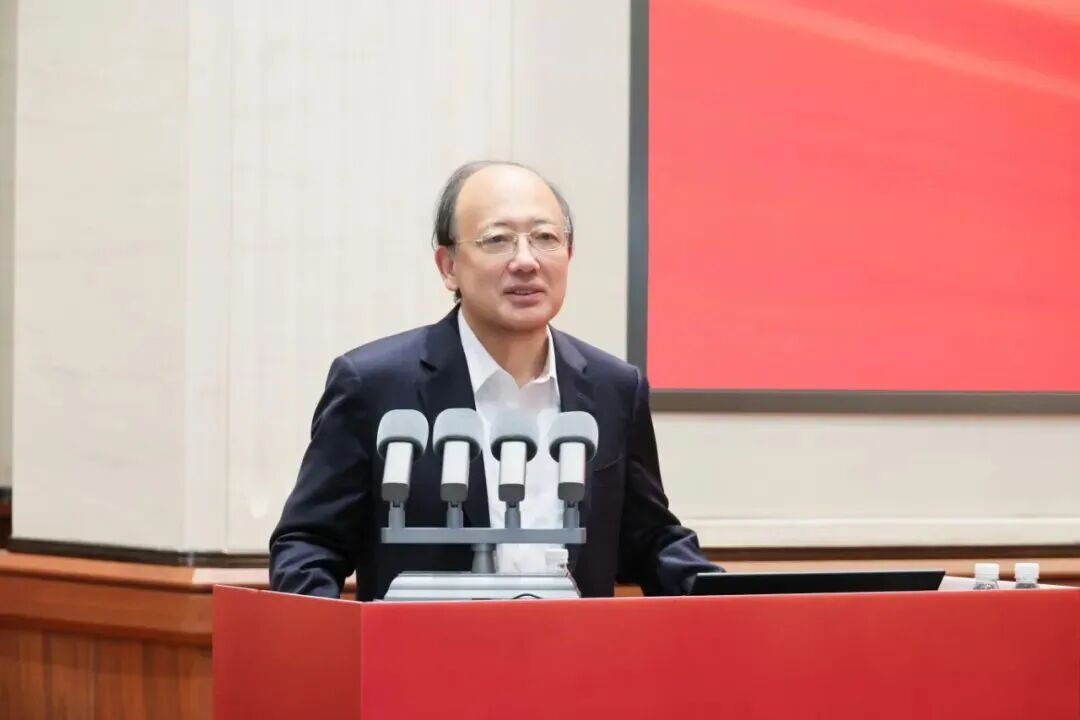
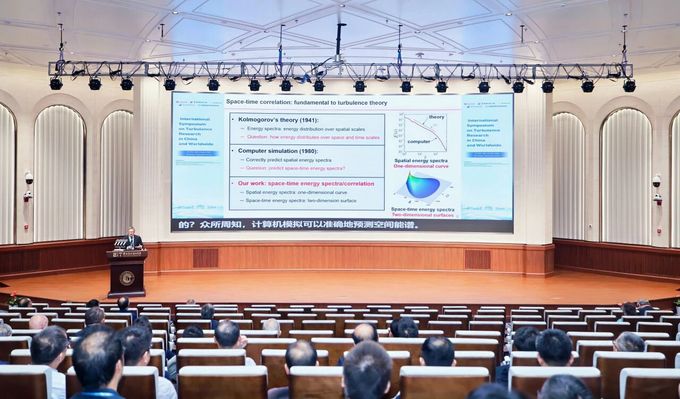
President Shiyi Chen delivers the opening address
A central question for education in the age of artificial intelligence is how machines can better serve human growth.
President Chen pointed out that AI is accelerating the acquisition and dissemination of knowledge, and the growth of humanity's body of knowledge as a whole. Yet machines cannot replace human beings, and they never will. Human growth is inseparable from communication, care, and guidance between people, and the human element in education remains the decisive factor. This view underpinned the conference's discussions on AI in education. President Chen proposed elevating AI education to a university-wide strategy and responsibility, with EIT taking the lead in experimenting with AI-enabled teaching models, building interdisciplinary programs, and launching new and emerging majors.
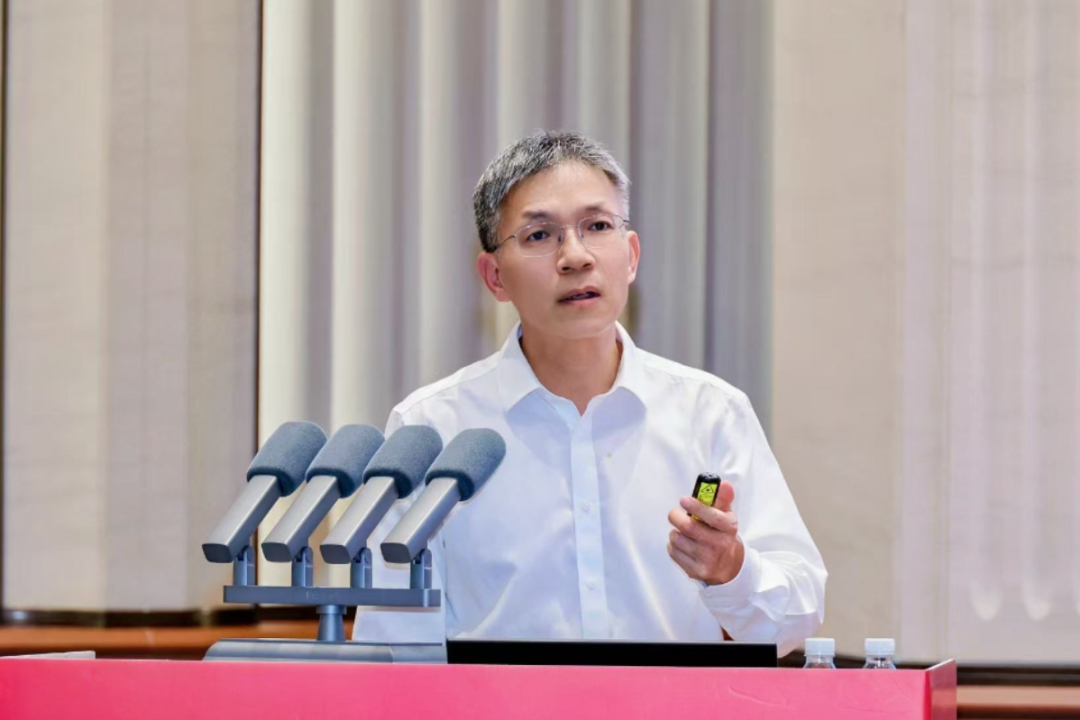
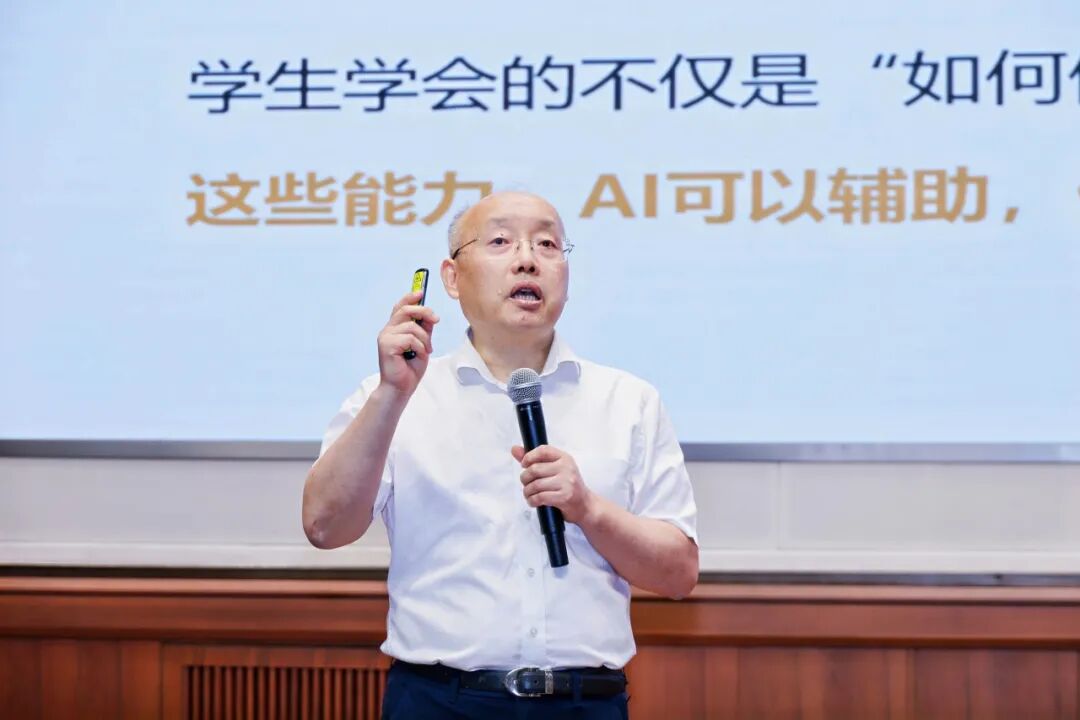
Prof. Jie Liang delivers a keynote speech
Prof. Jie Liang, Fellow of the Canadian Academy of Engineering, Deputy Director of the Office of Academic Affairs, and Chair Professor in the College of Information Science and Technology, examined the opportunities and challenges facing higher education in the AI era. He laid out a phased roadmap for EIT's AI-driven teaching reform and explored a people-centered approach to education for the AI age.
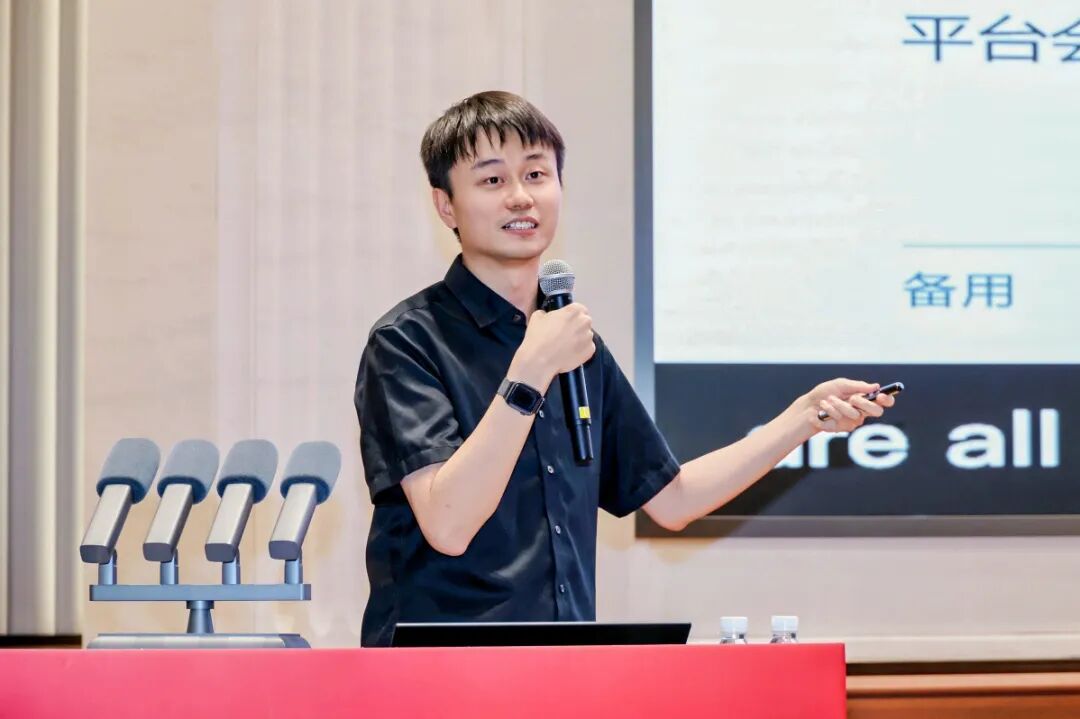
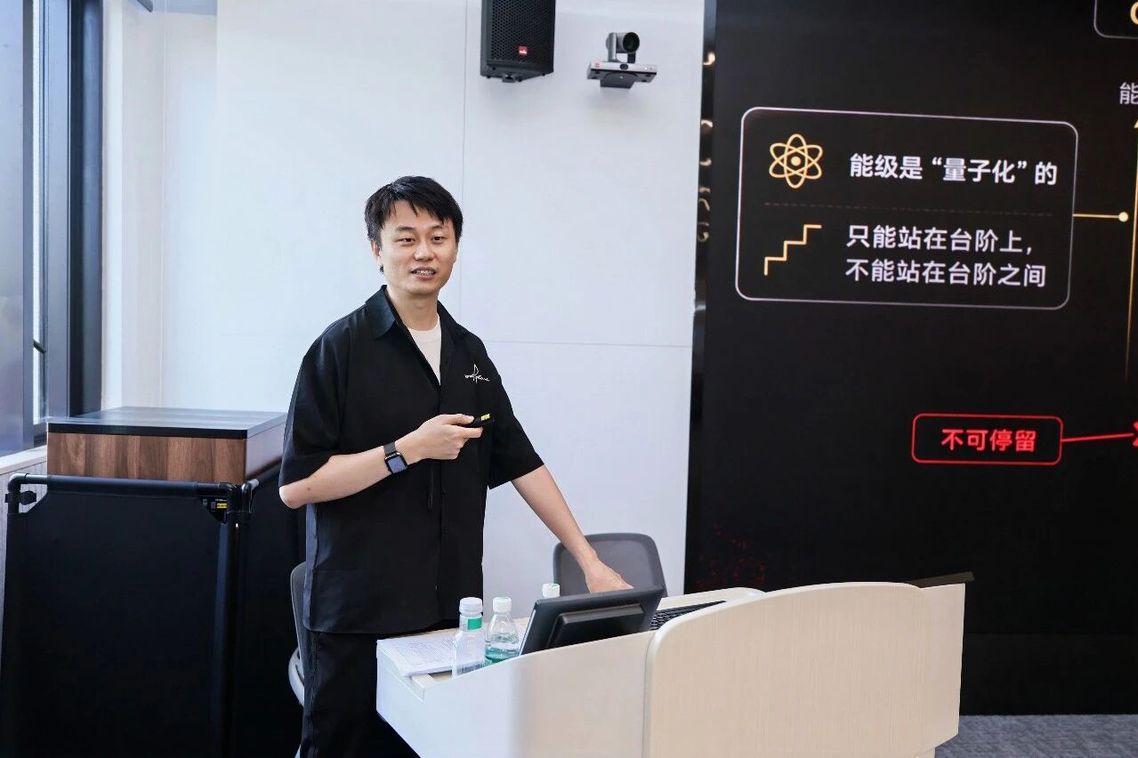
Prof. Chen Zhu delivers a keynote speech
Drawing on first-hand cases from his own classroom, Prof. Chen Zhu, Associate Professor in the College of Science, showed how to bring AI into the chemistry classroom, guiding students from passive recipients of knowledge to active problem solvers tackling real scientific questions — a concrete illustration of how AI can transform classroom teaching and of the possibilities it opens up.
In the breakout discussions, participants noted that AI education reform must not be reduced to using artificial intelligence simply to lighten teachers' workload in preparing lessons, answering questions, and grading. AI should take on some of the repetitive, routine work, while teachers must strengthen their abilities in both teaching and mentoring — devoting the time freed up to more interaction with students, personalized guidance, hands-on projects, higher-order thinking, and values guidance and character formation.
Courses Come First: Putting Teaching at the Top of the Agenda
President Chen stressed that teaching is the fundamental calling of every faculty member, and that the university will consistently uphold the principle that courses come first, carrying the work of teaching and mentoring into every course and to every student.
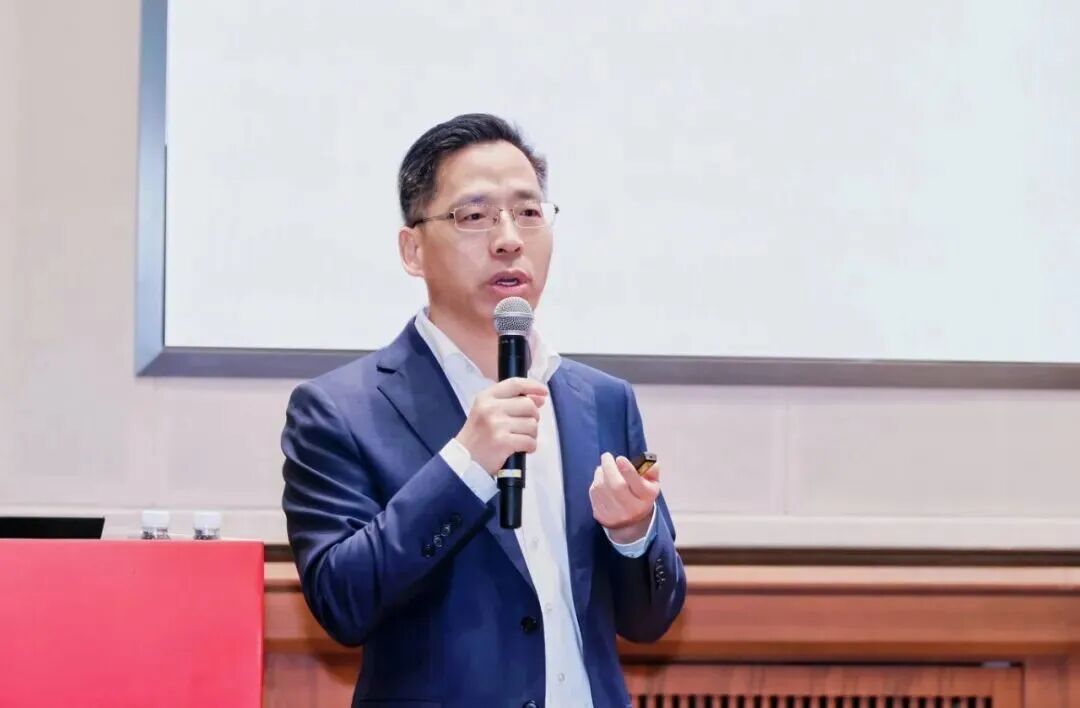
Prof. Zhongchao Tan delivers a keynote speech
Prof.Zhongchao Tan, Vice Provost for Office of Academic Affairs, delivered a keynote speech titled Education and Teaching in the 2025–2026 Academic Year: Review and Outlook, with an in-depth analysis of the progress and challenges in exploring new educational models, building the curriculum, deploying faculty, supporting teaching, and advancing teaching reform projects.
Over the past year, academicians and senior professors have taken to the podium, and small, seminar-style classes and personalized mentoring have begun to show results; instruction has run smoothly throughout. Through better-designed policies, evaluation systems, platforms, and support mechanisms, the university will make it possible for faculty to devote themselves to teaching, study the craft of teaching, and carry out teaching reform, thereby genuinely improving the quality of education.
Leaders of the College of Science, the College of Engineering, and the College of Information Science and Technology then presented, in turn, their teaching reviews and plans. Grounded in the strengths of their own disciplines, each reported on what had been achieved in curriculum development, faculty development, student development, and practice-based education — showing how each college follows its own distinct path within a shared educational philosophy.
Teaching in Accordance with Aptitude: Exploring Multiple Pathways for Practice-Based Education
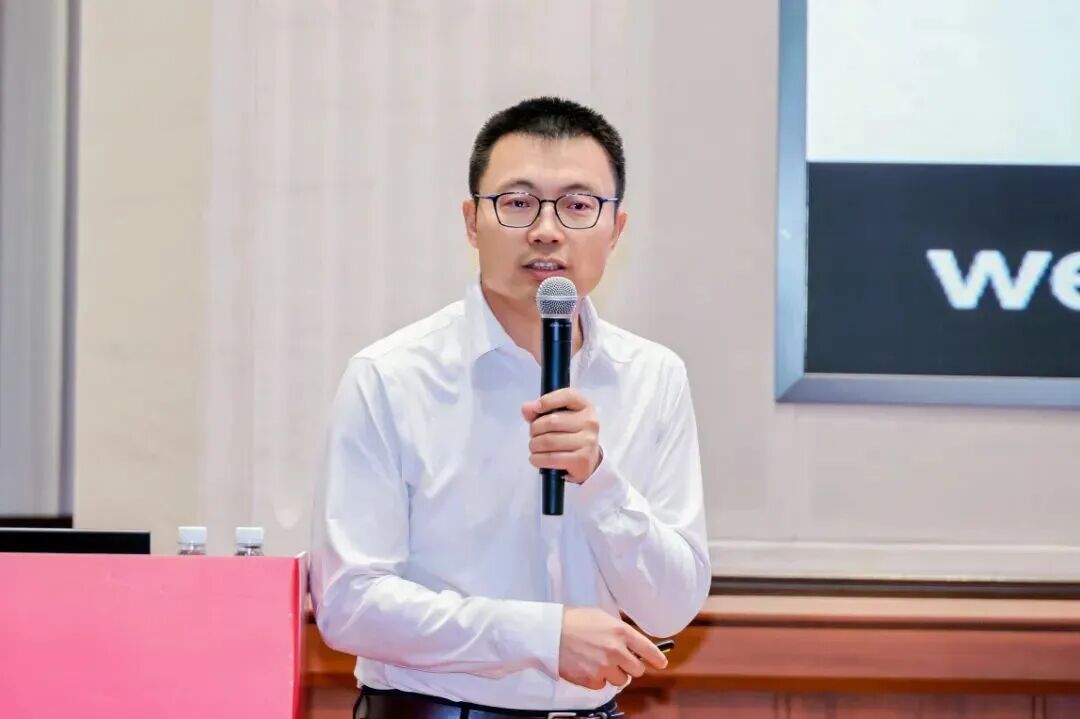
Prof. Zhaojun Han delivers a featured presentation
Prof. Zhaojun Han, Deputy Director of the Office of Academic Affairs and Professor in the College of Engineering, explained EIT's summer practice curriculum, organized around the three stages of Cognition, Specialization, and Innovation. He reviewed the results and feedback from the first cohort of undergraduates to take part: first-year students were placed in real industry settings, in a high-impact model of paid, credit-bearing placements with dual mentors from the university and the host company.
In the breakout discussions, participants explored what practice-based education should encompass. Beyond internships, it should offer multiple pathways — research training, international exchange, internships with international organizations, and innovation workshops — tailored to each student's development goals and individual strengths. Practice-based education should build students' leadership, communication, teamwork, adaptability, and ability to solve real-world problems. Across a coherent four-year program, students should be continually guided to understand themselves, explore their interests and aspirations, and awaken their inner drive to grow.
Strengthening Internationalized Education and Collaboration with the Residential College
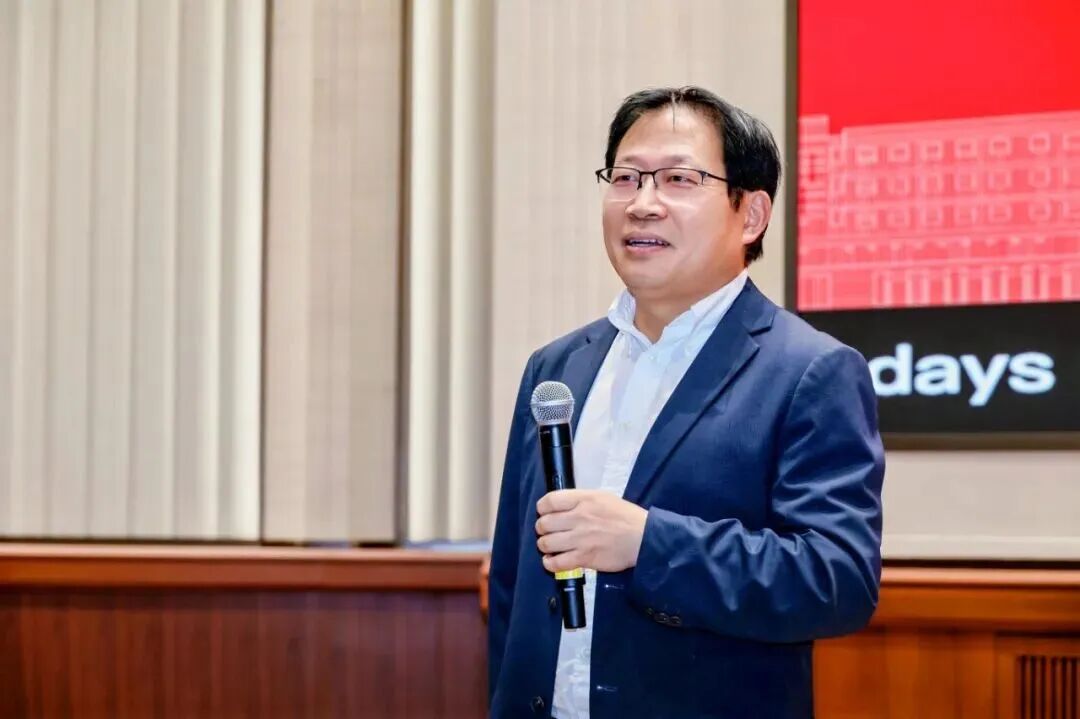
Prof. Chuanwu Xi delivers a keynote speech
Prof. Chuanwu Xi, Vice Provost for Global Engagement, focused on EIT's internationalized education. He set out the university's approach to strengthening students' cross-cultural communication skills and global competence, and outlined plans for broadening students' global horizons and building diverse educational platforms.
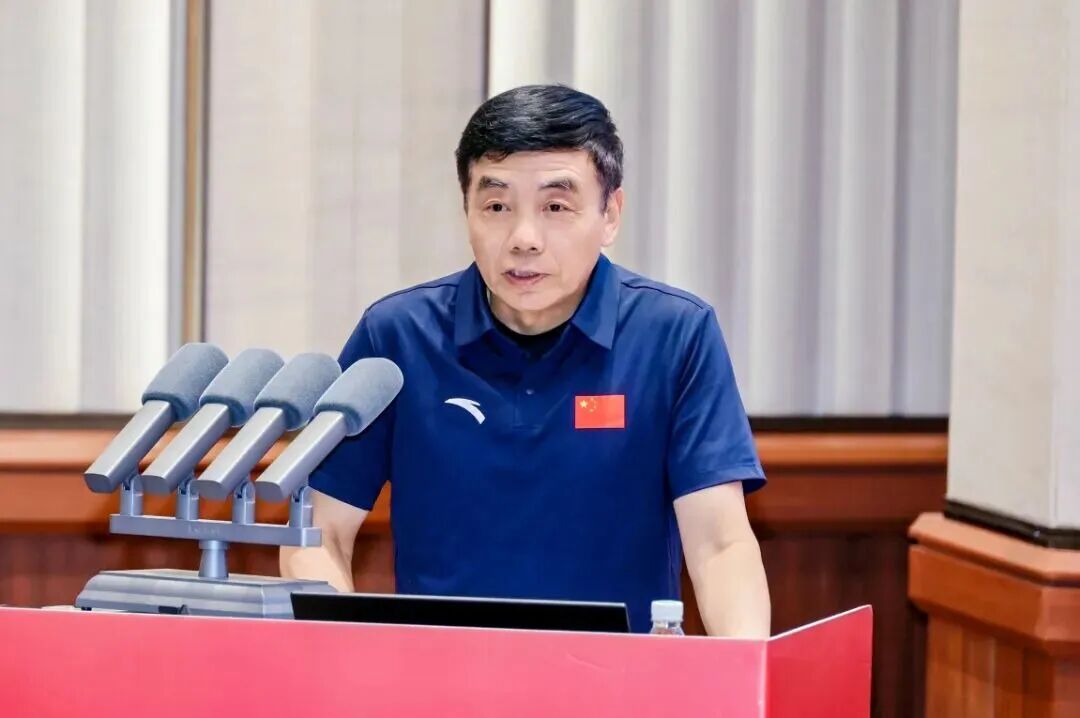
Prof. Zhangxing Chen delivers a keynote speech
Prof. Zhangxing Chen, Dean of Siming College and Foreign Member of the Chinese Academy of Engineering, drew on the perspective of whole-person education to present the residential college's educational model, centered on life capability, self-motivation, and creativity, and explained the substance of coordinated development across the moral, intellectual, physical, aesthetic, and practical dimensions of education, and how it is put into practice.
In the breakout discussions, participants proposed making the most of EIT faculty's strong international backgrounds: through coursework, exchange activities, and faculty sharing their own experiences, students should be encouraged to actively broaden their global horizons. The university should also strengthen its English-language website and international brand, so as to raise the global standing of its educational work. Academic affairs, student affairs, and the residential college should share information more closely and put in place timely, accurate academic monitoring and early-warning systems — so that every student can venture confidently beyond their comfort zone and grow into the best they can be.
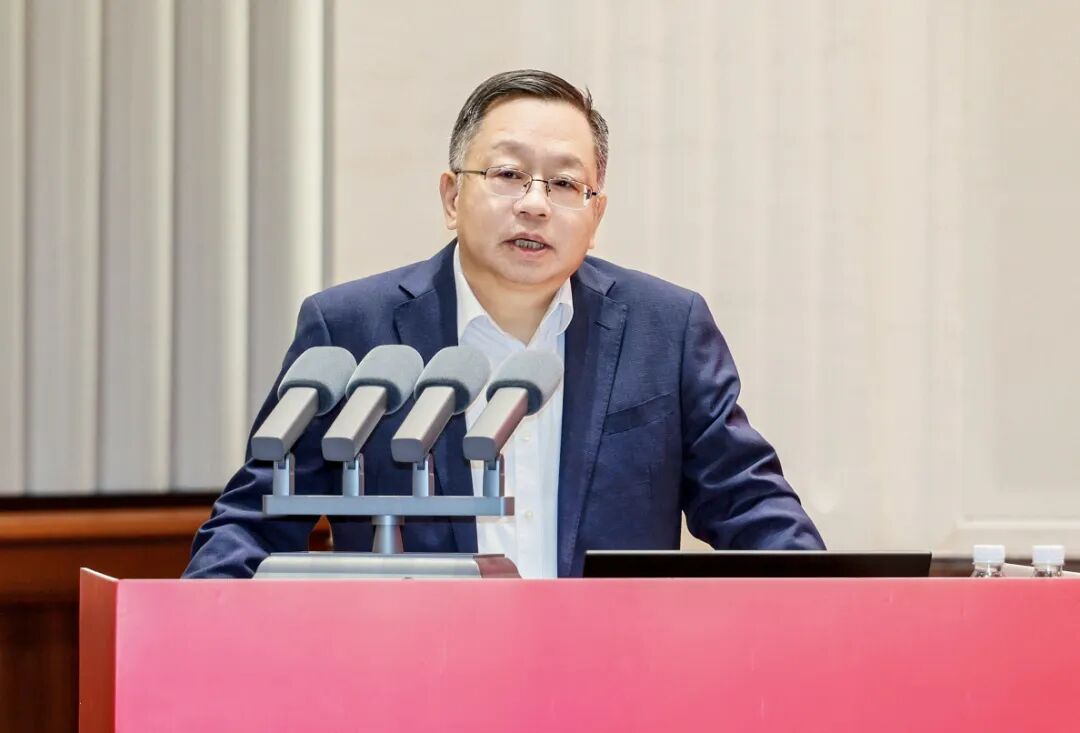
Prof. Dongxiao Zhang hosting the conference
The conference was hosted by Prof. Dongxiao Zhang, Executive Vice President and Provost of EIT. University leaders, all Principal Investigators (PIs), teaching faculty, leaders of the colleges and administrative offices, and faculty and staff involved in teaching and student affairs attended.As artificial intelligence advances rapidly, industrial technologies keep evolving, and international competition grows ever more intense, students need not only knowledge but, above all, the abilities that AI cannot replace.
EIT's inaugural Conference on Teaching offered a systematic response to the defining question of our time: how to cultivate top innovative talent for the AI age. Flinching from no problem and setting no bounds on exploration, EIT will follow through with concrete action — setting an example for national education reform and for innovation in academic disciplines and programs, and delivering the EIT answer to how new research universities can cultivate top innovative talent.