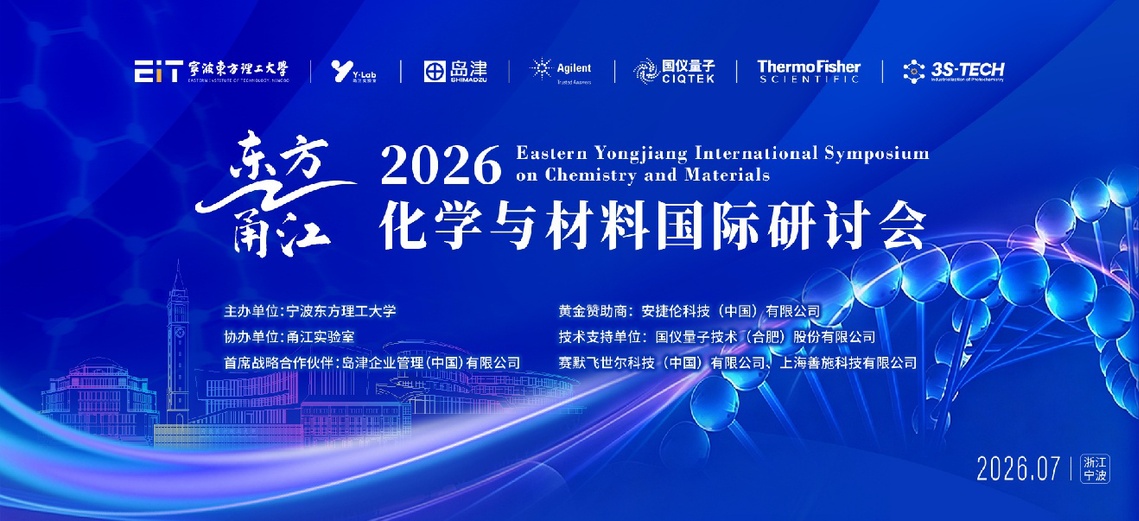
From July 19 to 21, the inaugural Eastern Yongjiang International Symposium on Chemistry and Materials was held at the Eastern Institute of Technology, Ningbo(EIT).
More than 70 experts and scholars from universities, research institutes, and academic organizations in China, the United States, and other countries and regions gathered along the Yong River to engage in in-depth discussions on cutting-edge topics including organic synthesis, chemical biology, innovative drugs, functional materials, energy materials, and AI driven chemistry. A total of 40 high-level academic presentations were delivered.
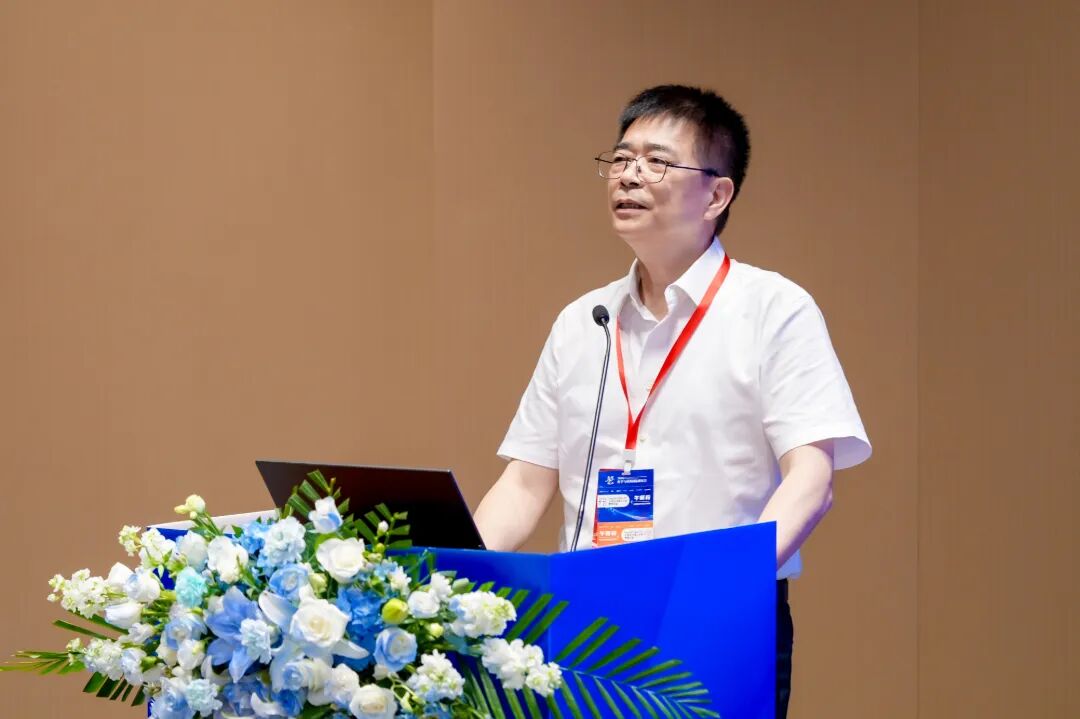
Address by Professor Zongwei Cai
At the opening ceremony, Professor Zongwei Cai, Associate Vice President and Dean of the College of Science at the Eastern Institute of Technology, Ningbo, and Dr. Xuedong Wu, Deputy Director of the Yongjiang Laboratory, each delivered remarks. Noting that artificial intelligence is profoundly transforming research paradigms in chemistry, materials science, and the life sciences, they expressed the hope that this symposium would serve as a catalyst to build a sustained, high-level international academic exchange platform, promote interdisciplinary integration, and foster original scientific discoveries and international collaboration in scientific and technology.
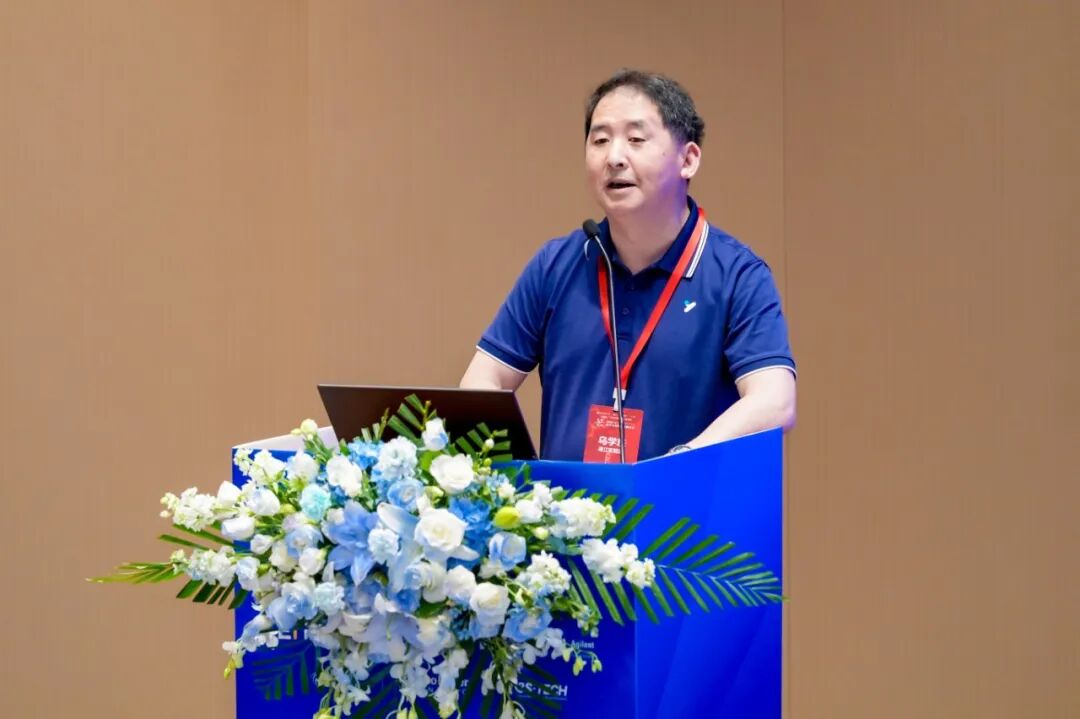
Address by Dr. Xuedong Wu
The symposium focused on frontier areas such as modern synthetic chemistry, chemical biology, advanced functional materials, and green energy. Renowned scholars—including Shuli You and Fengling Qing, both Members of the Chinese Academy of Sciences and Research Fellows at the Shanghai Institute of Organic Chemistry, CAS; Wanbin Zhang, Professor at Shanghai Jiao Tong University and Member of the Chinese Academy of Sciences; Ning Jiao, Xiaoguang Lei, and Zhixiang Yu, Professors at Peking University; Yongfa Zhu, Professor at Tsinghua University; Bin Tan, Professor at Southern University of Science and Technology; Wenjing Xiao, Professor at Central China Normal University; Bingfeng Shi, Professor at Zhejiang University; Qianghui Zhou, Professor at Wuhan University; Zhiyong Jiang, Professor at Henan Normal University; Xiaodong Shi, Professor at the University of Maryland; Xuefeng Jiang, Professor at East China Normal University; and Chen Zhu, Associate Professor at the Eastern Institute of Technology, Ningbo(EIT) —delivered invited talks on highly efficient catalysis, asymmetric synthesis, photochemical reactions, novel catalytic systems, and biosynthesis, showcasing the latest advances in precise molecular construction and modern synthetic chemistry.
Life sciences and innovative drug discovery constituted another major theme. Experts including Minkui Luo, Jianmin Gao, Yujun Zheng, Xuewei Liu, Lina Cui, and Hong Liu held in-depth exchanges on AI-assisted drug design, chemical biology, protein engineering, and precision therapy. Researcher Hong Liu from the Shanghai Institute of Materia Medica, CAS, presented the latest progress in innovative drug discovery driven by artificial intelligence, deep learning, and virtual screening. Professor Xuechen Li of the University of Hong Kong shared advances in the precision chemical synthesis of complex proteins and their application in innovative drug development. Professor Xuewei Liu of Nanyang Technological University introduced recent achievements in carbohydrate chemistry and glycobiology for the elucidation of disease mechanisms and drug discovery. Professor Xin Zhang of Westlake University and Professor Chu Wang of Peking University presented research advances in the chemistry of biological aggregates and multiplex quantitative proteomics, respectively. Together, these presentations amply demonstrated the vital role of chemical biology in deciphering life processes, identifying drug targets, and advancing precision medicine.
The materials science sessions were equally compelling. Experts including Yongfa Zhu, Han Han, Huan Cong, Xiaoye Wang, Zihao Guo, Rongrong Hu, Shihui Wen, and Weihan Li exchanged ideas on organic optoelectronic materials, conjugated polymers, solid-state battery materials, intelligent continuous-flow chemistry, automated synthesis, and energy materials. They highlighted the latest achievements of functional materials in information technology, green energy, and advanced manufacturing, and also underscored the growing trend of deep integration among artificial intelligence, automated experimentation, and materials design, offering new perspectives for future materials innovation.
During the symposium, attendees also visited the research platforms of EIT, and the Yongjiang Laboratory, and engaged in in-depth discussions on the development of research infrastructure, talent cultivation, and future collaboration. Researchers from diverse disciplinary backgrounds actively explored shared scientific questions, laying a solid foundation for advancing international cooperation and cross-disciplinary innovation.
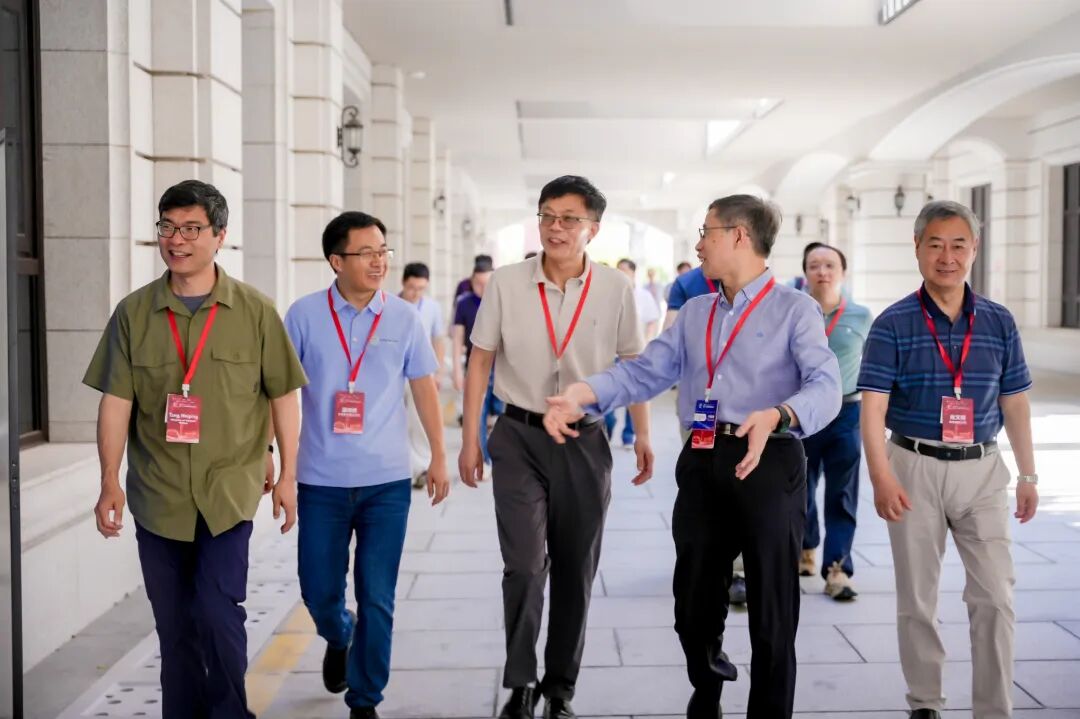
Participants visit the research platforms ofEITand Yongjiang Laboratory
The symposium was hosted by EIT, organized by the School of Chemistry and Chemical Biology, and co-organized by the Yongjiang Laboratory. The conference was co-chaired by Wei Wang, Chair Professor and Dean of the School of Chemistry and Chemical Biology at EIT, and Lei Fang, Researcher at the Yongjiang Laboratory. The event fully showcased the trend of deep convergence among chemistry, materials science, the life sciences, and artificial intelligence, establishing a high-level platform for international academic exchange and collaborative innovation.
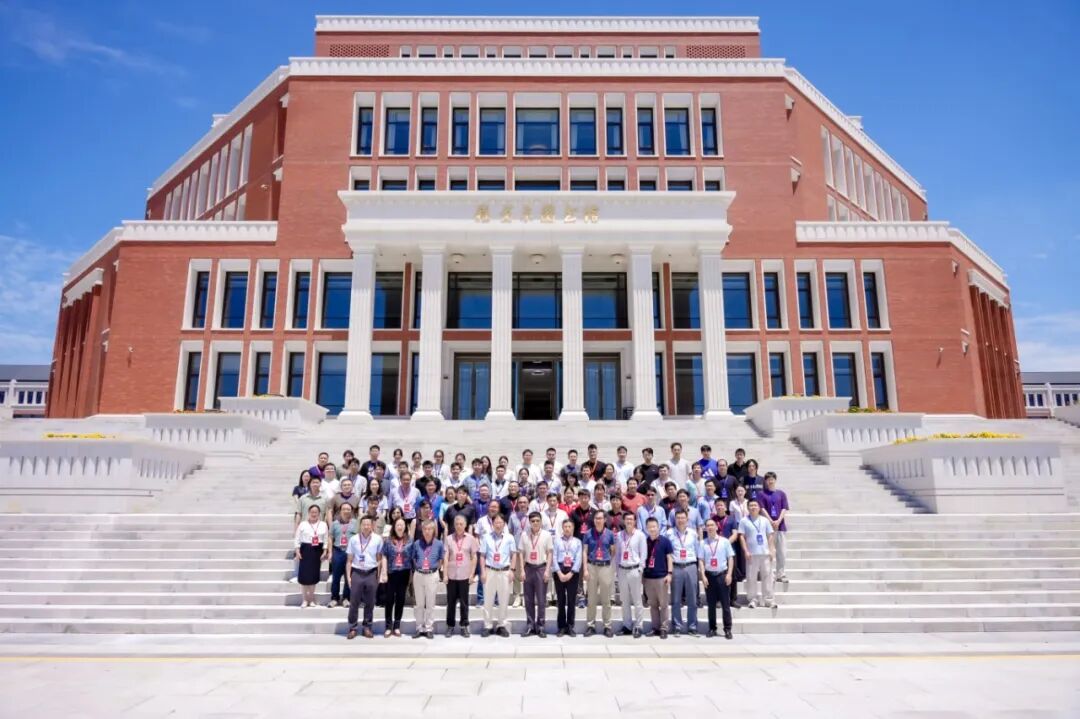
Group photo of the participants
Looking ahead, EITwill continue to work hand in hand with the Yongjiang Laboratory, uphold open collaboration, pool global innovation resources, and steadily build an internationally influential academic exchange brand. It will further promote the deep integration of chemistry, materials, and the life sciences, contributing to greater self-reliance and strength in science and technology and to the high-quality development of the regional life and health industry.