"Imagine you need to deliver an extremely precious yet fragile package deep into a heavily fortified city. Along the way, there are checkpoints, branching paths, and clearance mechanisms. The real challenge is not just getting it inside, but doing so with minimal loss and ensuring it reaches exactly where it needs to go."
In her office at the Eastern Institute of Technology, Ningbo (EIT), Yuqing Ye, Associate Professor in the College of Engineering, uses this analogy to explain the problem she grapples with every day. The "package" is a drug, the "checkpoints" are the body's complex physiological barriers, and the destination could be a particular type of cell in the lung or a specific region of the brain.
How can a drug cross multiple barriers, reach the tissues and cells that truly need it at the right time and at the right dose? This is one of the central questions in drug delivery, and it lies at the heart of Ye's current research.
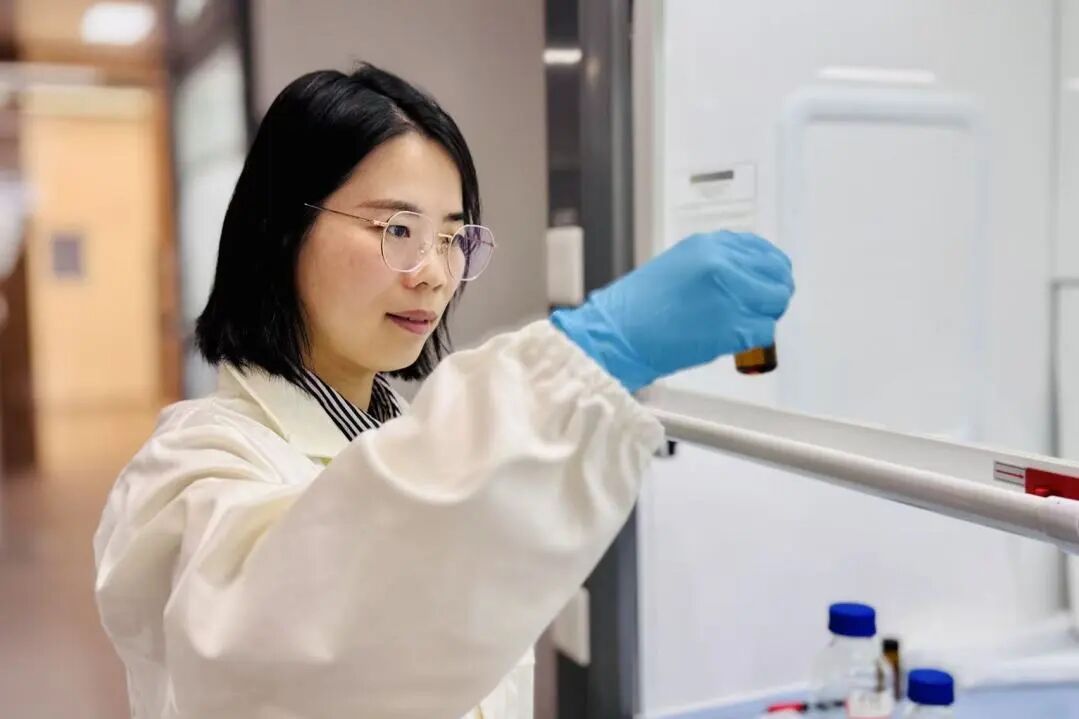
Yuqing Ye
On August 10, just half a year after joining EIT full-time, Ye received the "2026 Global Chemical Engineering Award for Outstanding Young Female Scientist" from the Global Academy of Chinese Chemical Engineering Scholars. A closer look at her background reveals an interesting thread: from bachelor's degree to master's degree to PhD, she never seems to have deliberately pursued the fastest possible path. After earning her doctorate, she worked first in academia and then in industry before finally arriving in Ningbo, at the Eastern Institute of Technology, Ningbo (EIT).
"Actually, every choice had a very clear reason at the time," Ye says. This cross-sector experience has shaped the foundation of her current research: she seeks to understand why a technology works and how to make it work better, while instinctively asking whether it can ultimately be truly manufactured and used.
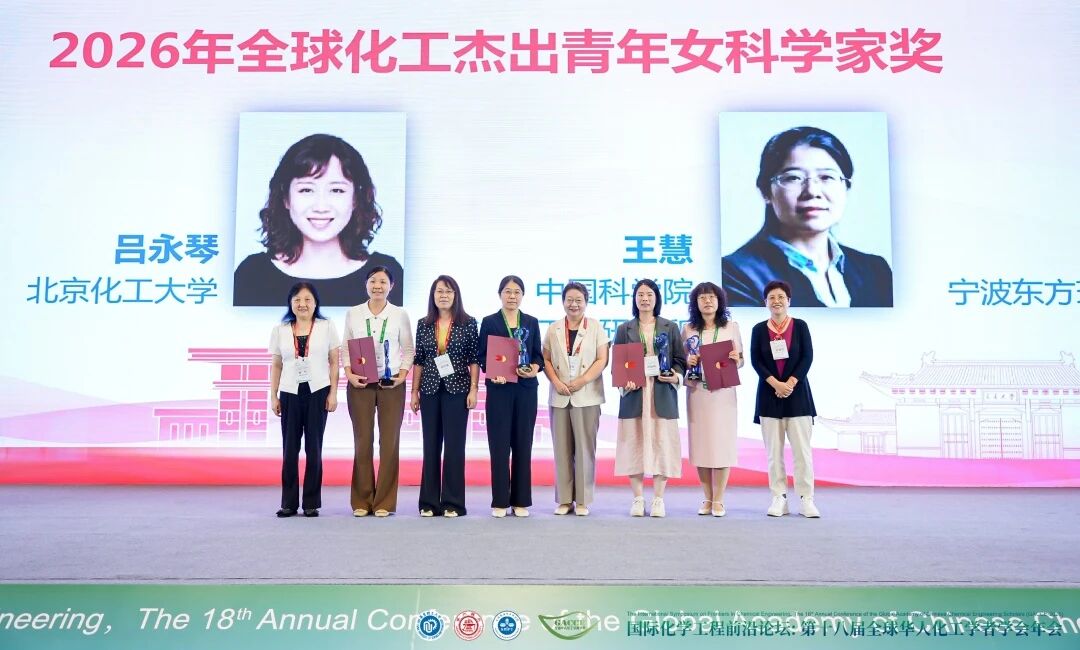
Yuqing Ye (third from right) receives the "2026 Global Chemical Engineering Award for Outstanding Young Female Scientist"
Equipping Life-Saving Drugs with "Precision Navigation"
Ye's research focuses on targeted and biomimetic drug delivery systems.
In simple terms, if therapeutic drugs are "bullets," her work is to develop the most advanced "stealth coatings" and "navigation systems" for those bullets, ensuring they precisely hit diseased sites without being lost along the way.
Take inhaled pulmonary drug delivery as an example. A drug must first contend with the complex airway architecture, and may also be affected by multiple factors such as mucus, mucociliary clearance, the epithelial barrier, and immune clearance. Even if it successfully enters the tissue, reaching the cells that actually need to be treated remains another challenge. Therefore, modern drug delivery research is concerned not merely with whether a drug exists, but with how to deliver it to the right place. What Ye's team aims to do is design a microscopic "package"—a carrier—that can evade immune clearance, cross successive physiological barriers, and ultimately hit diseased tissues or cells with precision.
Currently, she is leading her team in tackling two highly challenging directions. The first is nose-to-brain delivery, which aims to provide new, non-invasive strategies for treating neurodegenerative diseases such as Alzheimer's disease and Parkinson's disease. The second is pulmonary drug delivery by inhalation, asking whether more precise delivery can modulate abnormal cell states and the pulmonary microenvironment at the source, opening new possibilities for improving or even reversing disease progression.
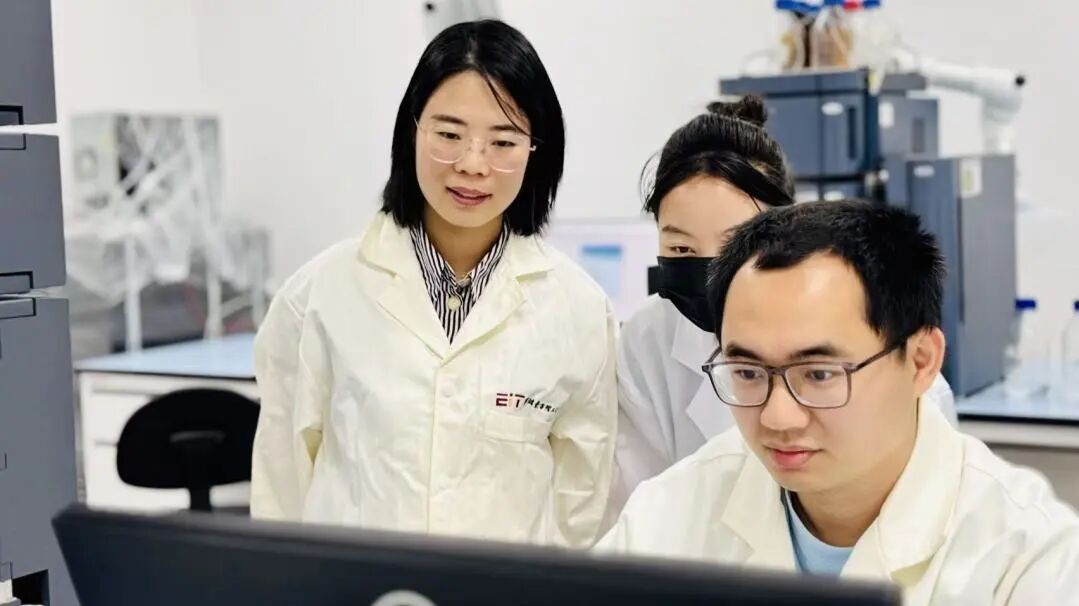
Yuqing Ye and her team
This is clearly not a question that can be answered in the short term. But for her, that is precisely one of the most important reasons for returning to academia. "What we want to do is not just deliver a drug into the lung or the brain, but go further and answer: where does it go? Which cells does it enter? What effects does it produce? Why is it effective?" she says.
From Industry to Academia: Chasing the Unanswered "Why"
Unlike many scholars who move directly from one academic institution to another, Ye has a distinctly industry-oriented background.
After completing her PhD in biomedical engineering at Western University in Canada, she moved between academia and the pharmaceutical industry, taking part in the full journey of drug products from the laboratory to the market.
During her years at a North American pharmaceutical company, she served as a pharmaceutical R&D scientist and led from scratch the development of a capsaicin-containing topical analgesic product. To address the difficulties of application, she innovatively developed an emulsion–gel composite system and formulated it as a roll-on product, which was successfully launched in the United States. From the initial formulation concept and dosage form design to stability studies, process scale-up, and final product realization, bringing a drug product to market is far more complicated than a single experimental curve in a paper.
It was this hands-on industrial experience that gave her a deep understanding of the similarities and differences between academic research and industrial application, and helped her build an end-to-end development perspective.
"Seeing a drug move from concept to final form, and then actually reach the market and help patients, is truly special," Ye recalls.
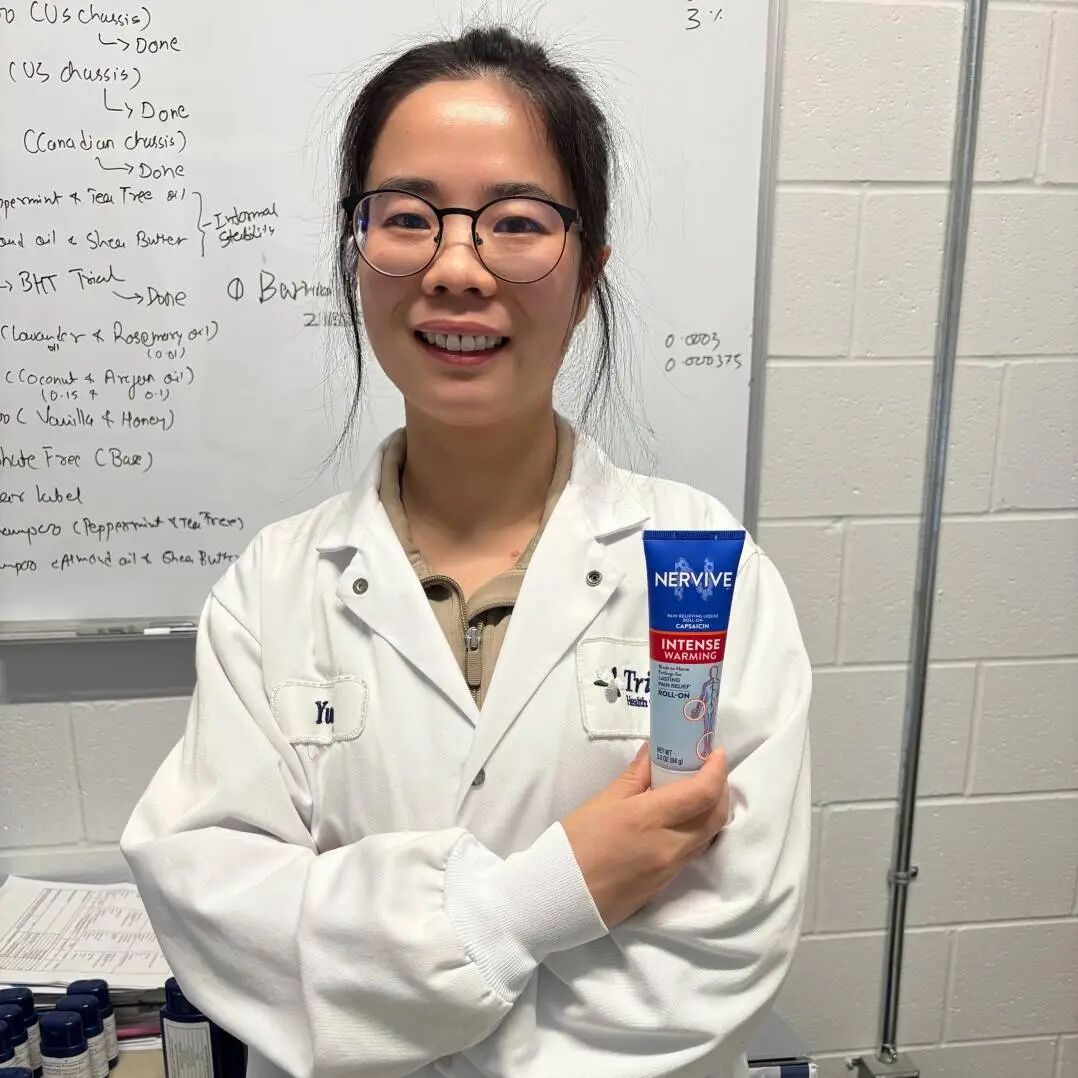
A pain relief product led by Yuqing Ye
To date, she has led the development of more than 20 projects, with severalproducts now on the market.
"Companies must first respond to real market needs and consider cost, risk, development timelines, and probability of success," Ye says. "Yet we often encounter very interesting fundamental scientific questions: Why is a particular formulation effective? Why does one carrier enter a certain type of cell more readily? How exactly do different biological barriers affect delivery efficiency?" These questions may not be quickly translated into products, but they may determine how far the next generation of technologies can ultimately go.
She is eager to work on technologies that are more fundamental, more cutting-edge, and truly capable of changing the future of human health.
With the quality mindset and clinical-need awareness gained from industry, and with a deep commitment to fundamental science, Ye came to EIT to explore questions that may not be commercialized in the short term but could truly advance next-generation drug delivery technologies.
"There Is a Drive Here That Makes You Want to Get Things Done"
With an outstanding track record, Ye was undoubtedly highly sought-after candidate by both universities and companies. Among the many offers she received, why did she ultimately choose the newly established institution—EIT?
"Honestly, it was curiosity at first," Ye says. She was curious why a brand-new university could attract a large group of leading scholars, including sixteen academicians. "After I arrived, I seemed to find the answer."
She quickly sensed the distinctive character of this new type of research university.
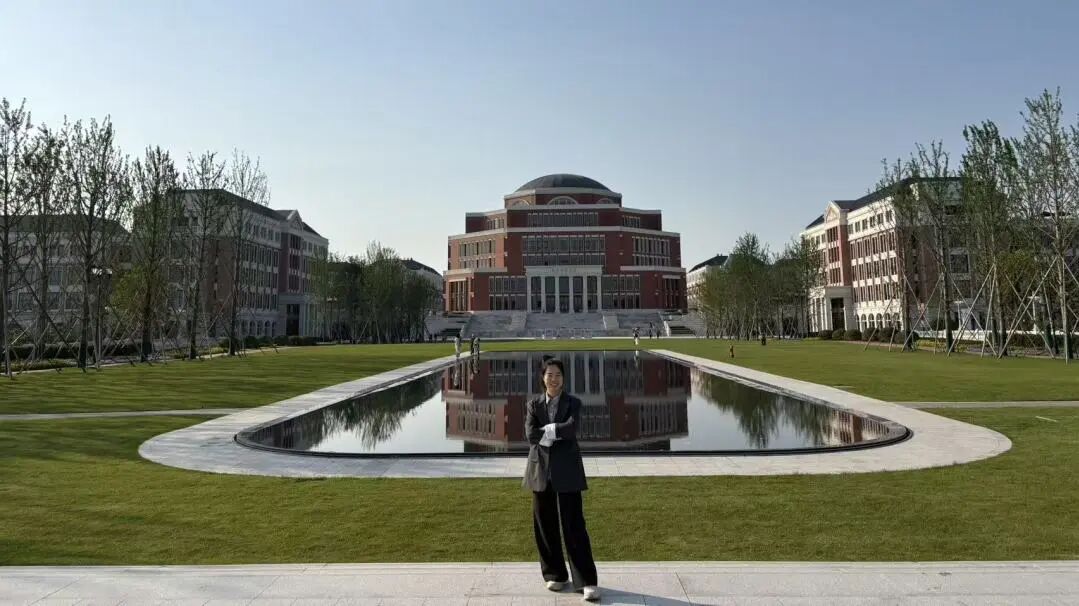
Yuqing Ye on the EIT Campus
"When talking with colleagues here, you can feel that everyone has a certain energy—an openness, a desire to collaborate, and vibrant enthusiasm." It was this openness, passion, and eagerness for cross-disciplinary innovation that convinced her this was a place where things could get done.
In June this year, shortly after joining, Ye participated in the university's undergraduate admissions work. At the admissions event in Hangzhou, she was "deeply impressed."
"I have never seen a university where the president and academicians personally attend admissions events and meet students and parents face-to-face. You can tell this university truly cares about the kind of people it admits and is genuinely willing to devote time to attracting talent." This institution-wide commitment to talent further convinced her that she had made the right choice.
Within just a few months of joining, she has begun to build her own research team and advance her research in areas such as targeted drug delivery. "For one particular project, the students and I went back and forth discussing and refining the approach for a long time. Very often, the goal is not to rush through experiments; rather, the clearer the underlying scientific question, the fewer detours you take later. It took more time, but sharpening the axe does not delay the work — and our preliminary results are very exciting."
Those Who Are Not in a Hurry Can Go Far
Reflecting on her academic and research journey, Ye describes herself in three words: sincere, steady, and resilient.
Since leaving home in the fifth grade to attend a boarding school, her path has been shaped by independence and clear-headedness. When she was an undergraduate, she chose a five-year pharmacy program. Others might have thought spending an extra year was a disadvantage, but she did not see it that way. "One step at a time. It may take longer, but if each step brings real value, it is not time wasted."
That deep passion for science and patient, steady perseverance became her anchor, giving her the confidence to embrace research as the slow, painstaking work it truly is.
Now that she has become a doctoral supervisor, she holds her students to the same standards of rigor and persistence. In her group, seeking truth is the non-negotiable principle.
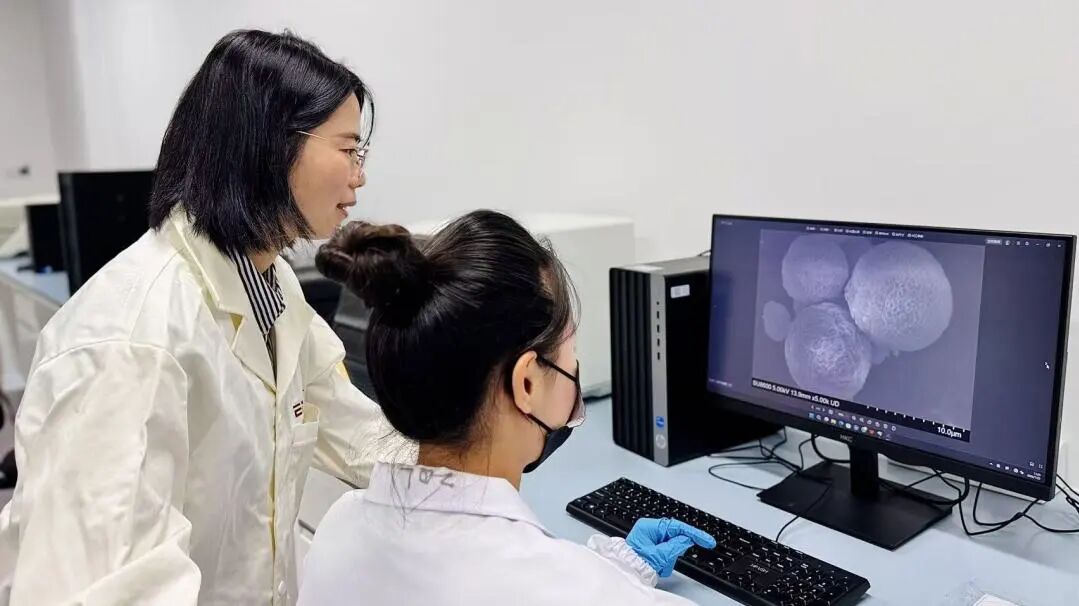
Yuqing Ye and her students
In training students, what she values most is whether, after they leave her lab, they can independently assess whether a research question is worth pursuing, design experiments to test their hypotheses, and maintain rigorous scientific thinking when confronted with real clinical needs.
Drug development, after all, has never been something that can be achieved overnight. "Drug development truly cannot be rushed," she says. "Many things have to be worked out bit by bit."
When asked about her plans for the next five years at EIT, Ye does not set herself a grand goal, but she clearly wants to accomplish two things. The first is to build a technology platform for targeted delivery to the lung and brain, linking carrier design, pharmaceutical engineering, biological barrier assessment, and disease model research, so that a single platform can be applied across different diseases and drug classes. The second is to integrate AI-assisted drug discovery and pharmaceutical design into this platform to identify and validate therapeutically promising candidate molecules.
Scientific research is a marathon with no finish line. In a field that demands the ability to work through solitude, Ye does not look for shortcuts. She is patiently navigating through the fog, zeroing in on the target, pulling the slingshot taut, and waiting for the next shot to hit its mark.