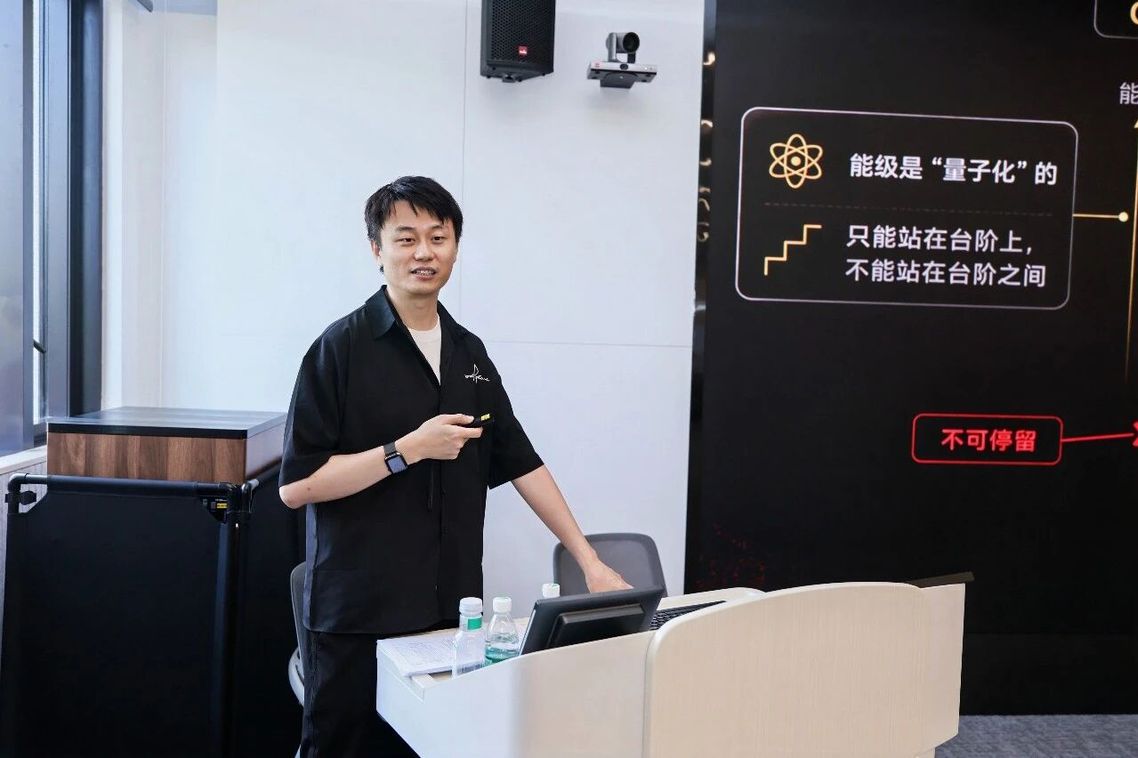
Qingchen Shen, an associate professor at the Eastern Institute of Technology, Ningbo (EIT), is not the kind of scholar who draws boundaries early on.
During his doctoral studies, he worked on thermal functional materials and liquid metals. As a postdoctoral researcher, he shifted to sustainable cellulose photonic materials. Today, these interests have gradually converged into a research direction he describes as "bioinspired thermal and optical materials and devices." Each step has been like a tributary flowing into a larger river.
Recently, Shen received the 2026 "Future Chemical Engineering Scholars Award" from the Global Academy of Chinese Chemical Engineering Scholars and was invited to deliver a keynote talk at the "Future Chemical Engineering Forum" of the society's 18th annual conference.
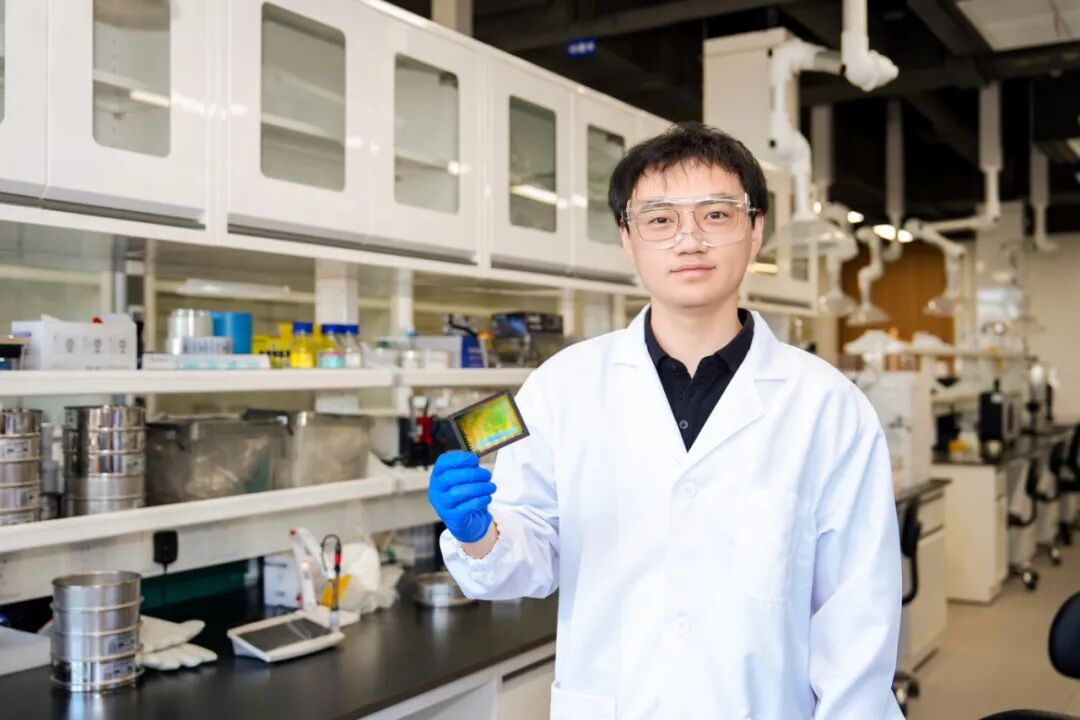
Qingchen Shen
Honors and the road back
Shen is from Shangqiu, Henan Province, and had never been to Ningbo. Shangqiu is an ancient city on the eastern Henan plain, where the old course of the Yellow River runs nearby, wheat fields stretch to the horizon, and the air carries the mingled scent of soil and straw. Ningbo, by contrast, lies on the coast of the East China Sea, where the Yong River flows through the city into the sea and the air carries a faintly salty breeze. In early 2025, Shen officially joined EIT as an independent principal investigator. From an inland plain to Europe and then to a coastal port, his geographic journey has mirrored his academic one—constantly moving, adapting, and searching.
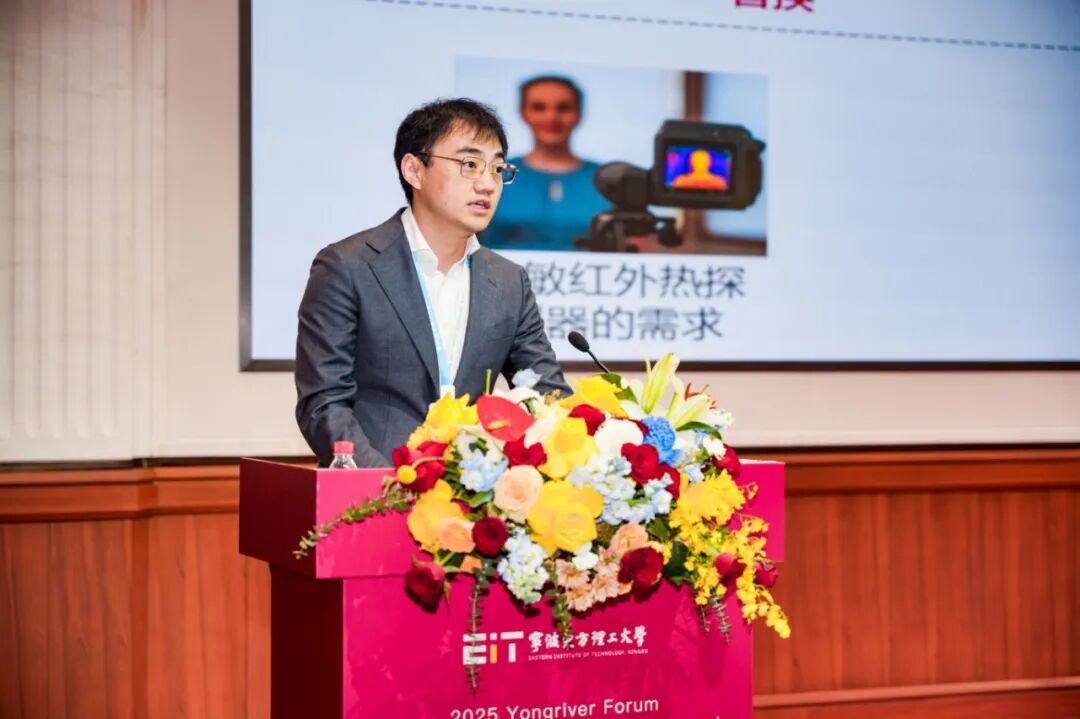
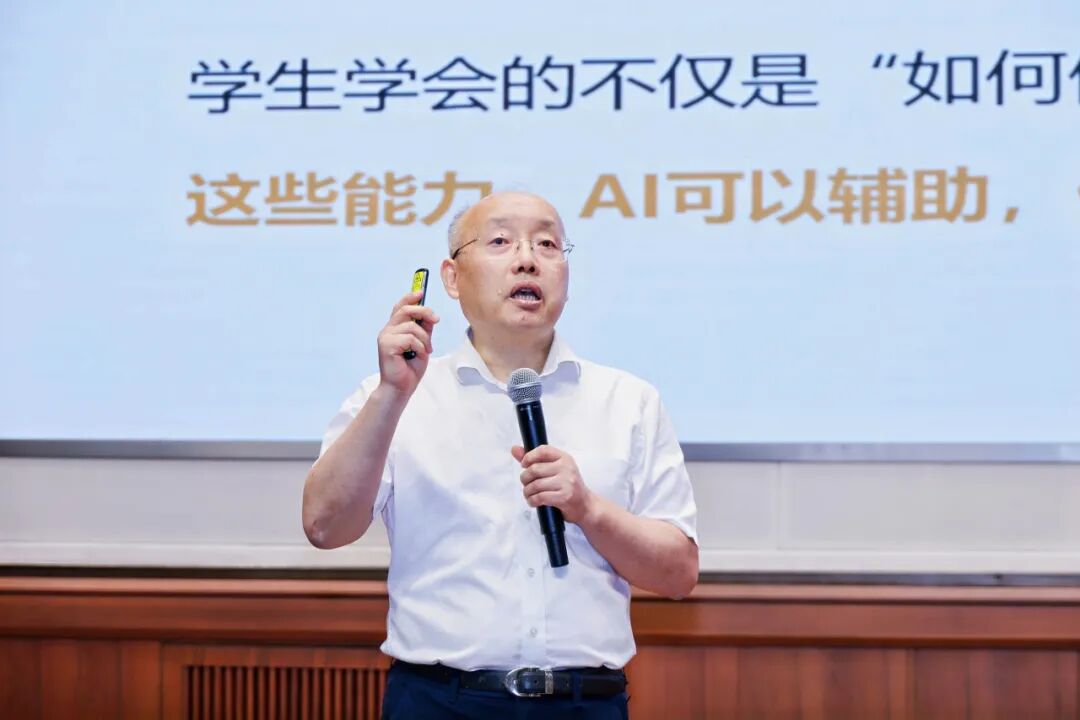
Qingchen Shen shares his work and life at EIT during the 2025 Yongriver Forum
If one were to describe his character with a body of water, it might be a gentle stream: nourishing quietly, moving slowly, but never stopping. As he often says, "Research cannot be accomplished overnight. Follow its natural course, and do your best."
From 2016 to 2020, Shen pursued his PhD at the School of Materials Science and Engineering at Shanghai Jiao Tong University, under the supervision of Tao Deng, a professor and expert in bioinspired thermal functional materials. During his doctoral studies, with Deng’s support, he went to the United States as a visiting scholar in the group of Michael Dickey, a professor and liquid metals expert at North Carolina State University. That experience broadened his perspective.
These two mentoring relationships fostered deep collaboration between the two research groups.
In simple terms, liquid metals are metals that can flow like water at room temperature. They are generally understood to possess both metallic properties and liquid fluidity. But at the time, it was unknown whether they also had gas-barrier properties comparable to those of solid metals.
Shen provided the answer. He was the first to demonstrate that a gallium-based liquid metal has gas-barrier performance nearly on par with that of solid metals. Building on the liquid metal’s excellent gas-barrier performance and fluid deformability, he then constructed a new type of stretchable gas-barrier encapsulation material—one that can stretch like a rubber band while remaining as impermeable as a metal shell. This promises to greatly improve the long-term stability and operational reliability of stretchable devices.
Based on this new stretchable gas-barrier encapsulation material, he further developed stretchable two-phase heat transfer devices that can operate stably, offering a new approach to solving the heat dissipation challenges of stretchable electronics. The work was published in Science.
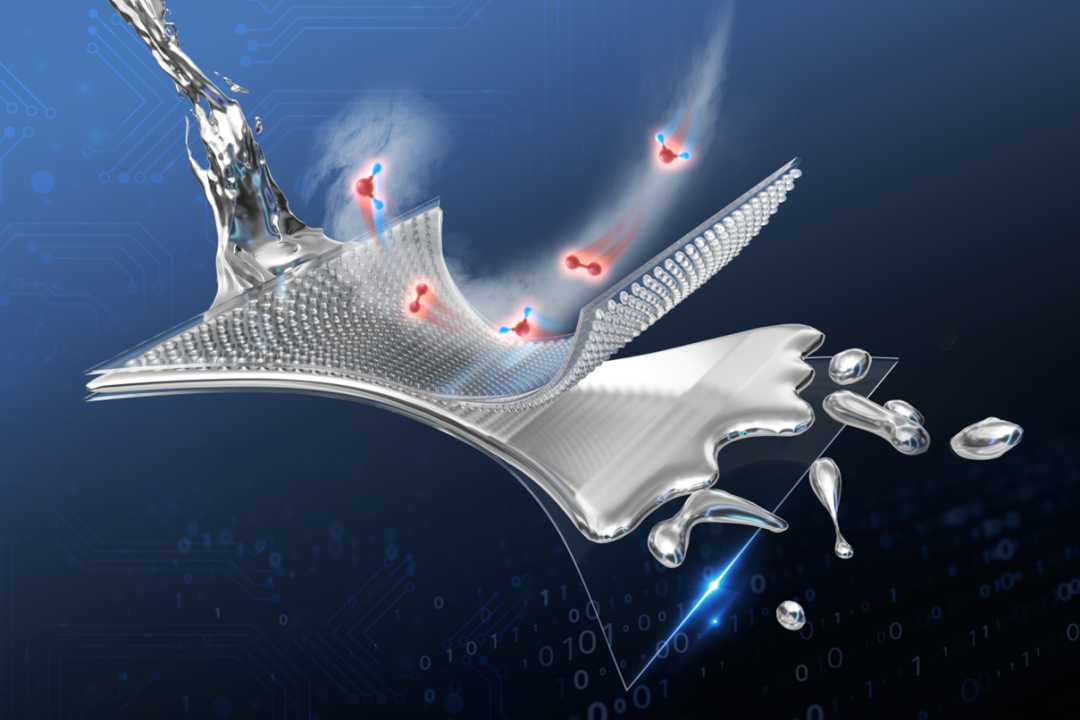
Qingchen Shen's doctoral research was published in Science
Finding the Connection
In 2021, Shen moved to Europe, where he conducted postdoctoral research first at the University of Cambridge in the United Kingdom and then at the Max Planck Institute of Colloids and Interfaces in Germany. Working under Silvia Vignolini, a leading scholar in bioinspired optical materials and a professor at Cambridge, he studied the self-assembly of cellulose nanocrystals, producing structural color that is "vivid without pigments."
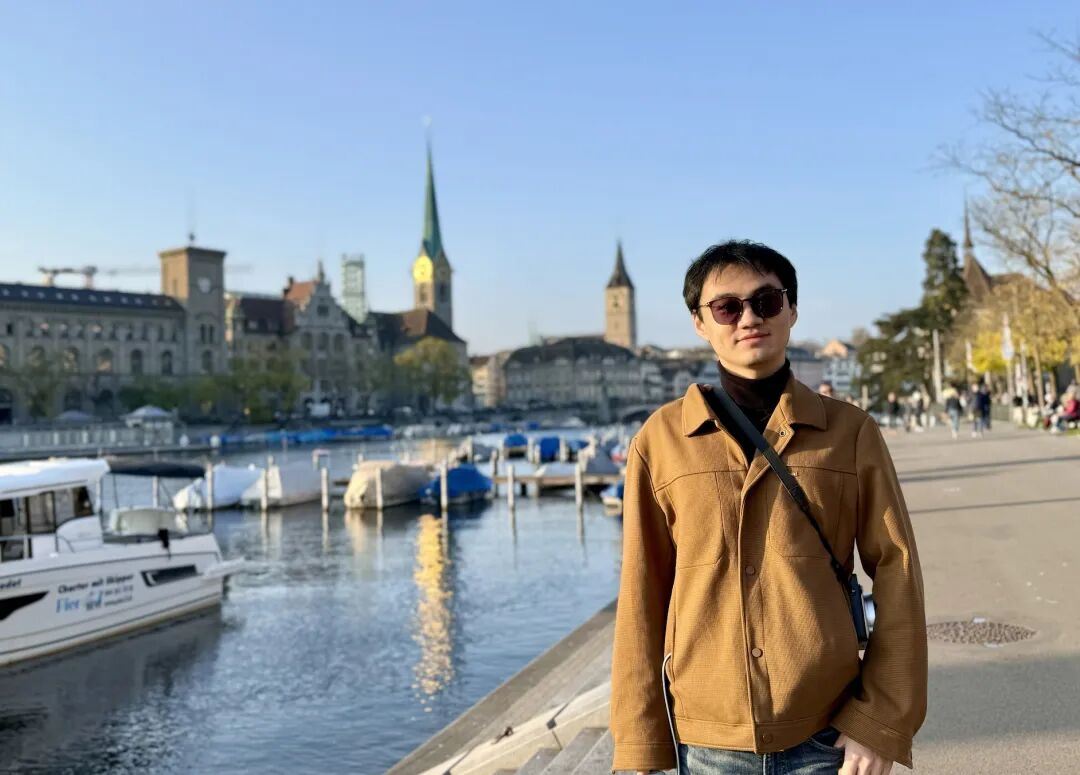
Qingchen Shen during his time in Europe
Cellulose nanocrystals are natural nanomaterials extracted from wood pulp or cotton. When dispersed in water, they spontaneously arrange into helical photonic structures as the water evaporates, producing brilliant colors without any dyes.
From thermal functional materials to cellulose optical materials, the research subjects seemed entirely unrelated at first. But Shen found a point of convergence.
He noticed a tension in the field of daytime radiative cooling materials. Conventional daytime radiative cooling materials can cool passively without electricity, but in order to reflect as much sunlight as possible, they are usually limited to white or silver—whereas in practical applications, color is often exactly what is needed. Cellulose nanocrystals, however, possess three key properties simultaneously: they barely absorb sunlight, they exhibit high infrared emissivity, and they can self-assemble into structural color. Shen realized that this combination might be the key to making colored radiative cooling materials.
To further enhance solar reflectance, he and his collaborators created a cellulose-based bilayer film. The top layer uses cellulose nanocrystals with helical structures to display structural color, while the bottom layer uses porous ethyl cellulose to scatter any transmitted light back. Together, the two layers achieve a solar reflectance above 90%, combining passive cooling with aesthetic appeal.
The work was published in Advanced Science in 2022. Since then, Shen has made steady advances in cellulose nanocrystal self-assembly. He proposed an innovative one-step method using superhydrophobic surfaces to prepare cellulose nanocrystal photonic pigments, producing multilayer cellulose nanocrystal films that greatly improve the optical performance of single-layer films. The related results were published in Advanced Materials, and he filed two UK patents, one of which has been granted and transferred to a company.
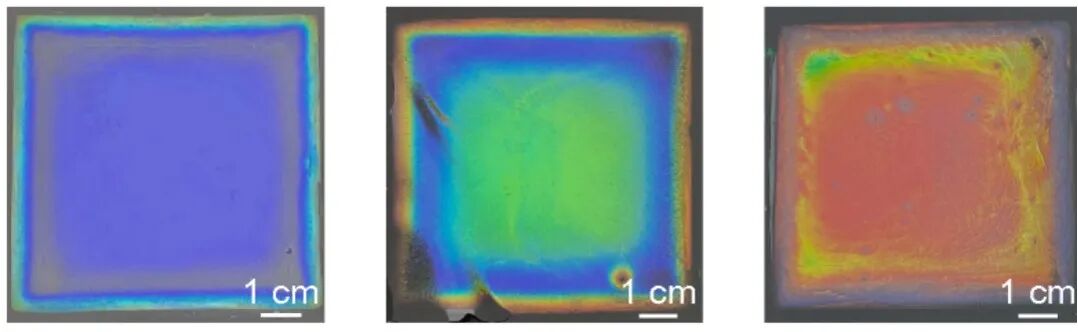
Qingchen Shen and his collaborators fabricated a bilayer film that is both vividly colored and capable of passive cooling
Shen's road back to China began with an introduction from a former labmate.In 2024, after three years as a postdoctoral researcher, Shen was weighing job offers when he received a piece of advice that proved decisive.
Junwei Wang, a young scholar who had already joined EIT, had been Shen's colleague in the same research group at Cambridge. That was the first time Shen heard about EIT, a new type of research university. Its positioning — high-caliber foundation, compact yet distinguished, research oriented, globally engaged — immediately appealed to him. His colleague’s advice helped him make up his mind. "Returning to China had been my plan all along. What I cared about most was where I could conduct research most freely," Shen said.
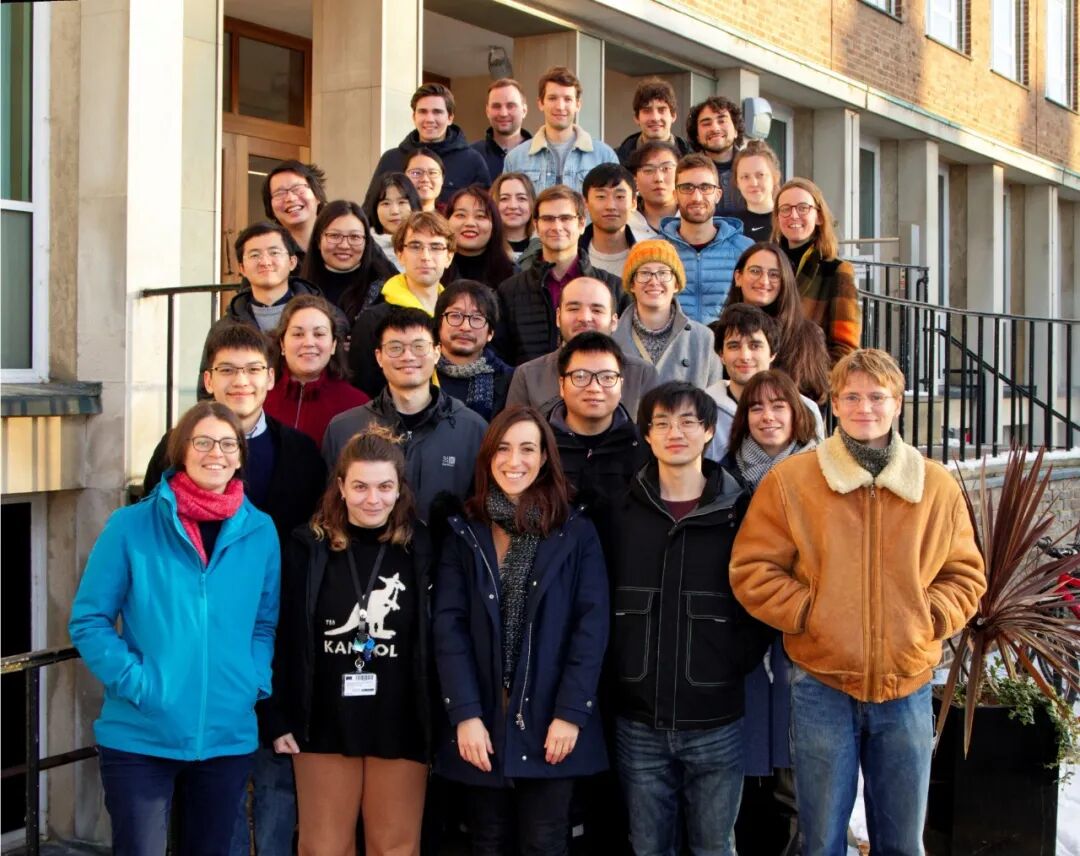
Qingchen Shen (front row, second from right) and Junwei Wang (sixth row, first from left) were colleagues in the same research group at Cambridge
Independence and setting sail
Since joining EIT, Shen has been building his team from scratch. As a principal investigator, his current research focuses on bioinspired thermal and optical materials and devices, including stretchable two-phase heat transfer devices, cellulose-based passive radiative cooling materials, cellulose-based sustainable optical materials, and liquid-metal-based stretchable devices. He hopes to expand the boundaries of science through interdisciplinary integration.
In a laboratory in the Zheng Jian and Gong Lihong Building (Engineering Building) —a "small world" built by Shen himself—he and his doctoral students engage in lively discussions about how to combine advanced materials with the needs of engineering thermophysics to address real thermal management demands. Here, in addition to being a researcher, he has a new role: doctoral advisor. "Professor Shen is very nice and never pushes us. He gives us plenty of space and allows us to explore step by step with curiosity. But at the same time, he is very rigorous about research and about himself—extremely rigorous," one of his students said.
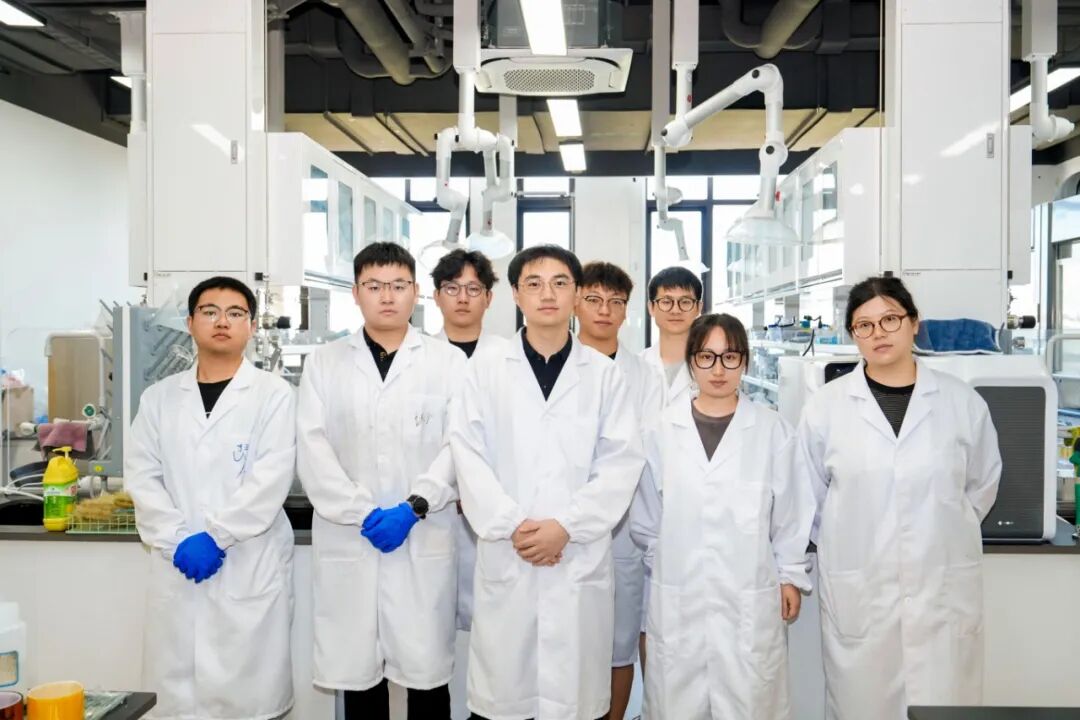
Qingchen Shen's research group
If the thermal functional materials Shen studied during his PhD were one set of building blocks, and the cellulose optical materials he studied during his postdoctoral years were another, then what his team is now building centers on one question: how to make materials engage in an effective dialogue with heat and light. Under his rigorous scientific approach, the two sets of building blocks are being assembled into the same blueprint.
From liquid metals to cellulose, from Shangqiu to Shanghai to Europe, and now to Ningbo, Qingchen Shen’s academic path resembles a river formed by converging streams: each tributary has its own source, but together they flow toward the same vast ocean.